
The Powder Pedicure Trend Taking Over Summer Nails
How Does the Powder Pedicure Differ From Regular Nail Art?
A vibrant new nail trend called the powder pedicure is gaining popularity as summer winds down, offering a fresh alternative to traditional polish with its soft, diffused color effect. Beauty enthusiasts are embracing this technique for its ability to create a blurred, watercolor-like finish on toenails that feels both playful and sophisticated, perfect for late-season sandal wear. Originating from social media buzz, particularly Instagram posts showcasing delicate gradients, the style has quickly moved from niche experimentation to mainstream salon requests.
Breaking News
 Hollywood Elite Honor Carpenter, Theron, and Domingo at Academy Museum Gala
 The Next Generation of Collagen: Small Peptides, Big Claims
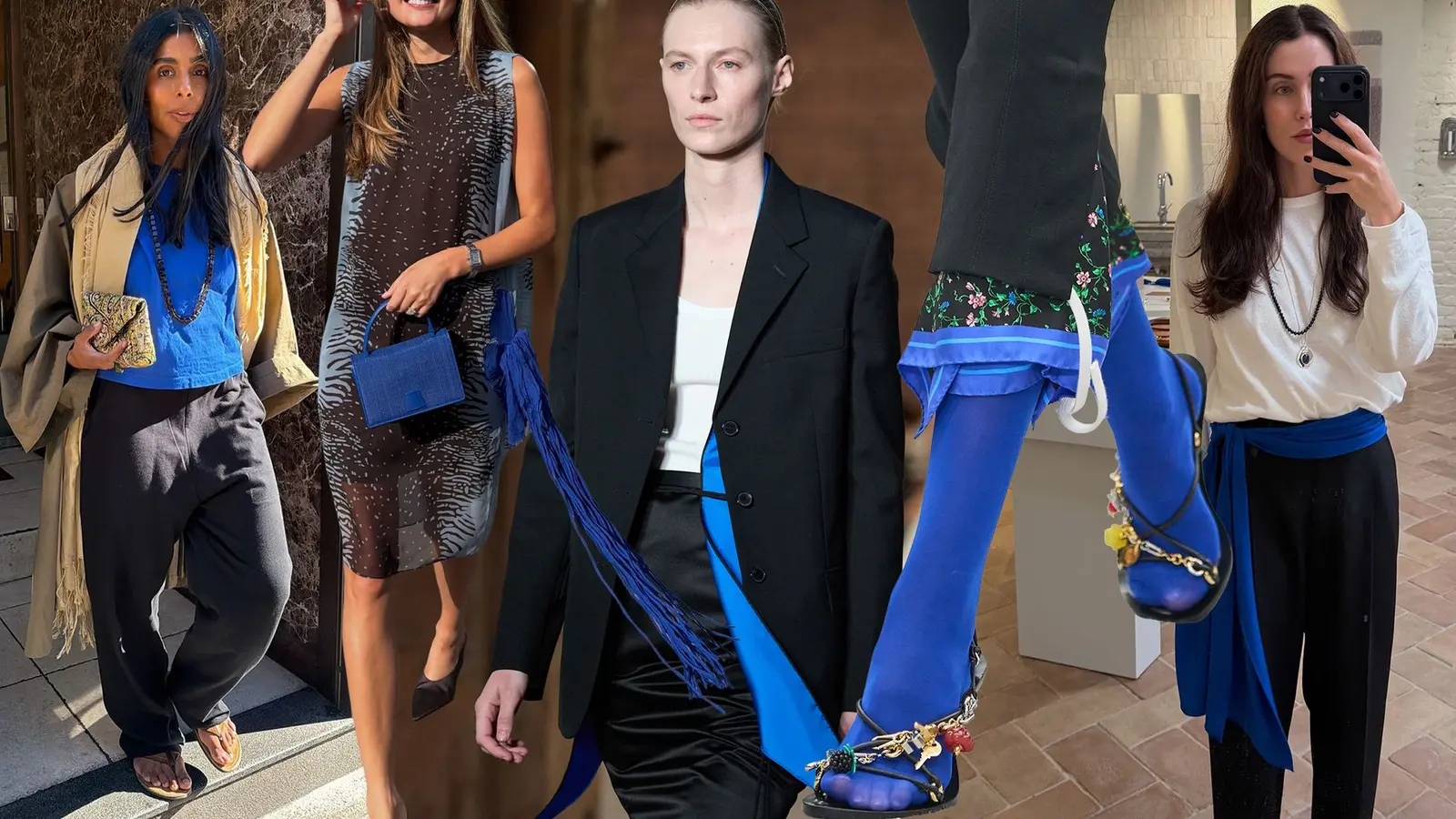 The Impending Rise of Cobalt Blue in 2027 Fashion
 The Secret to a Flawless Autumn Complexion is Sunscreen Layering
The powder pedicure involves applying loose pigment powders—often in pastel or iridescent shades—onto a tacky base coat using small brushes or sponges, then sealing with a top layer to lock in the ethereal look. Unlike standard polish, this method allows for seamless blending and custom color mixing, giving technicians and clients creative freedom to design unique ombre or speckled effects. Nail artist @nail._.priere, whose Instagram feed helped spark the trend, describes it as „a way to wear art on your toes” that complements sun-kissed skin without the heaviness of opaque lacquer.
Can You Achieve This Look at Home?
Unlike intricate stamping or freehand painting, the powder technique focuses on texture and translucency rather than defined lines or patterns. It requires less precision in application but demands skill in layering to avoid clumping or uneven saturation. Salons report that clients appreciate the lightweight feel and faster drying time compared to gel systems, though the trend does require specific products like adhesive bases and cosmetic-grade pigments to ensure safety and longevity. Some technicians note that the effect lasts about one to two weeks with proper care, making it ideal for short-term seasonal experimentation.
While professional results yield the smoothest gradients, at-home versions are possible with careful preparation and the right tools. Beginners should start with neutral shades and use minimal powder to avoid a chalky appearance, building intensity gradually. Experts recommend practicing on false nails first to master the brushing technique before attempting real toes. Despite its accessibility, professionals caution against using craft powders not intended for cosmetic use, emphasizing that skin-safe formulations are essential to prevent irritation or staining.
Is the powder pedicure suitable for all skin tones? Yes, the sheer nature of the pigment allows it to adapt beautifully to various complexions, with lighter shades offering a subtle wash and deeper tones providing a soft veil of color that enhances rather than masks natural skin.
Frequently Asked Questions
Does this trend work on fingernails as well? Absolutely, though it’s less common due to greater wear and tear on hands; many opt for the pedicure version to enjoy the design longer with minimal chipping risk during summer activities.
Will the powder pedicure remain popular beyond summer? Its versatility suggests staying power, especially as fall approaches and consumers seek softer, more nuanced nail aesthetics that transition well into seasonal wardrobes.