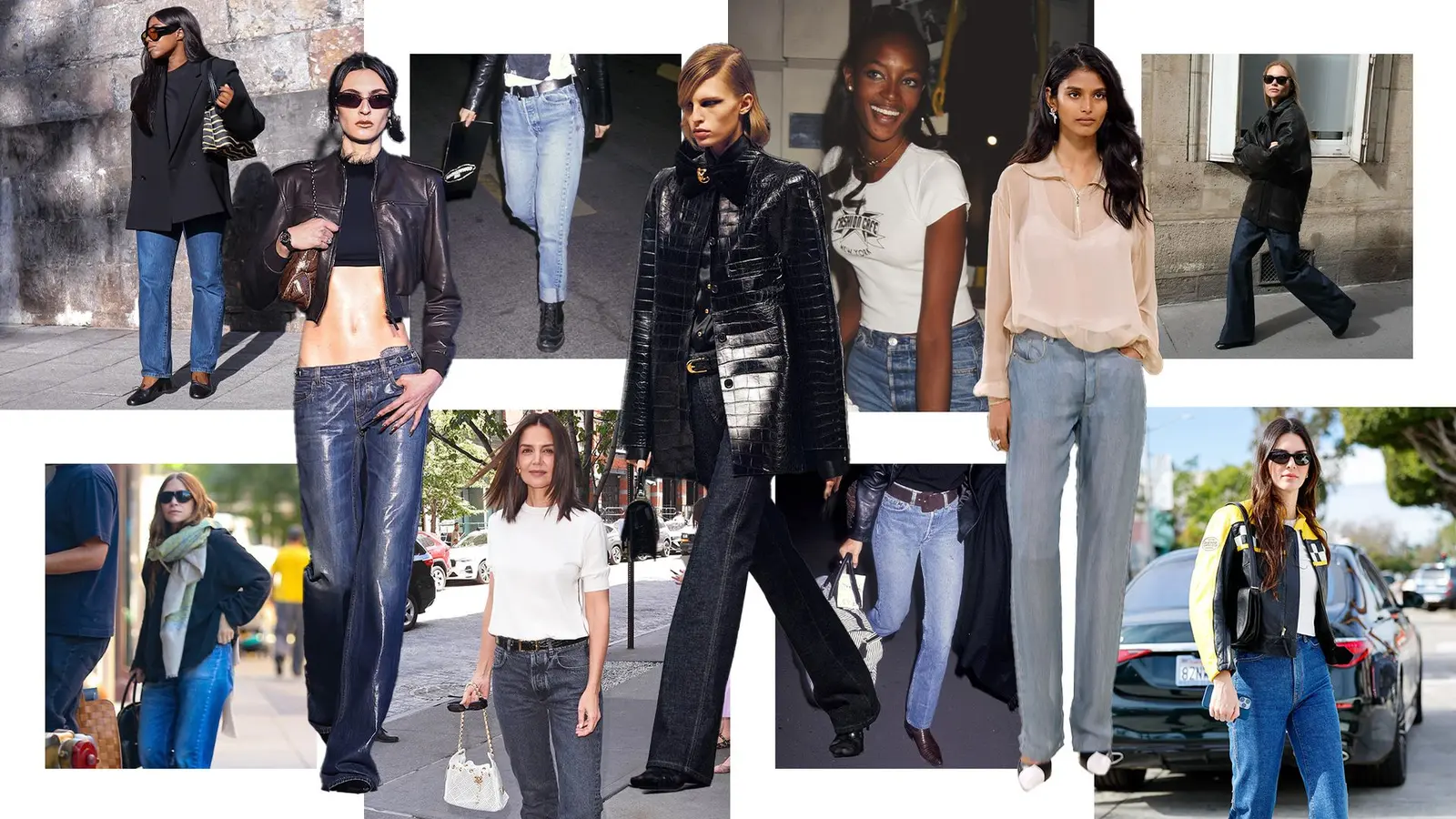
The Quiet Rise of Denim as High Fashion Luxury
How Designers Reimagined the Blue Jean
In recent years, the fashion industry has witnessed a dramatic transformation in how denim is valued. Once considered the ultimate casual staple, jeans now occupy a prestigious position within luxury retail. This shift marks a significant departure from their historical status as affordable workwear for laborers. Today, high-end brands command premium prices for pairs that were once mass-produced commodities.
Breaking News
 Winter 2027 pedicure trends favor bold, warm tones over neutral shades
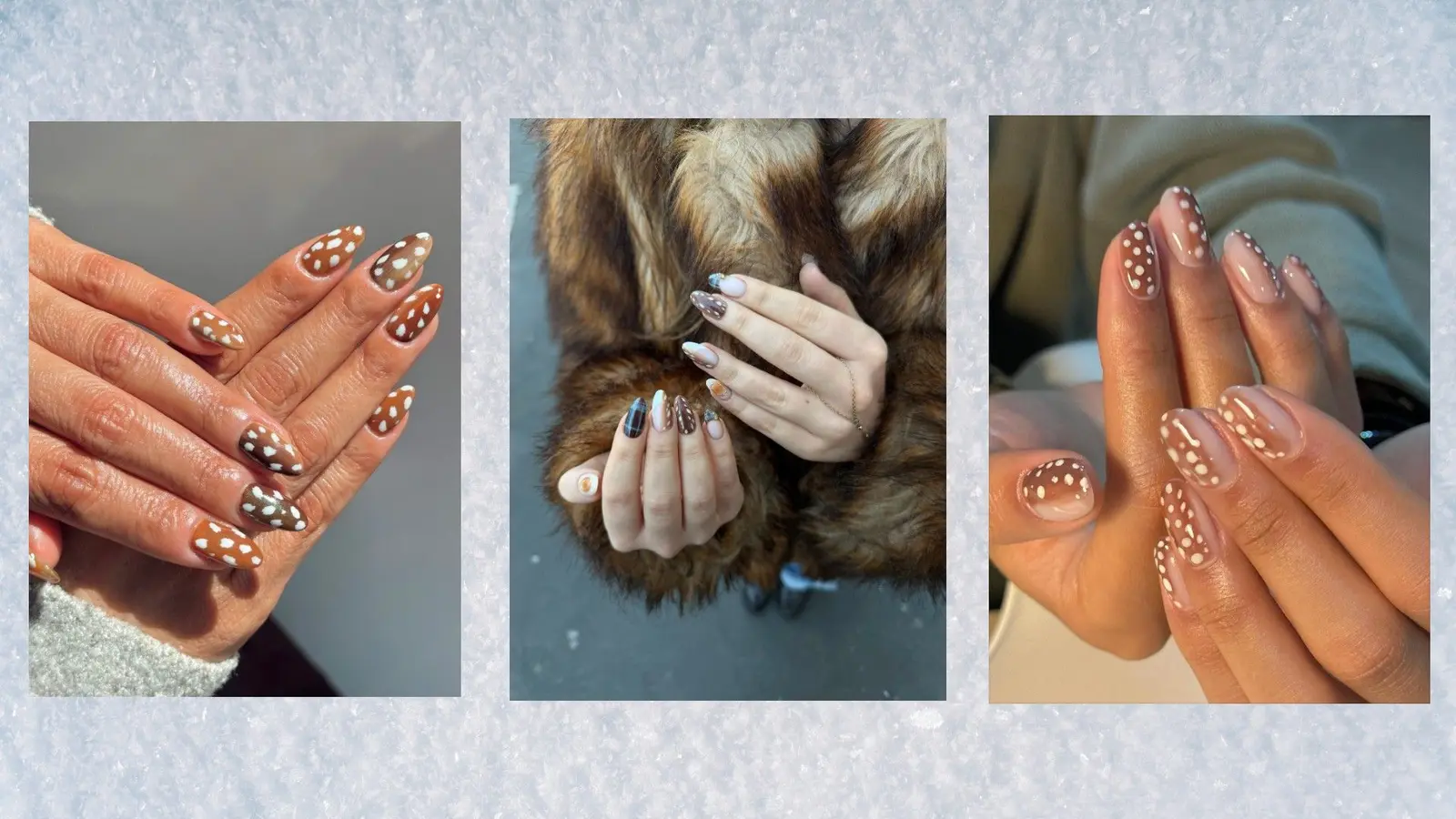 Animal Prints Make a Stylish Comeback on Winter Nails
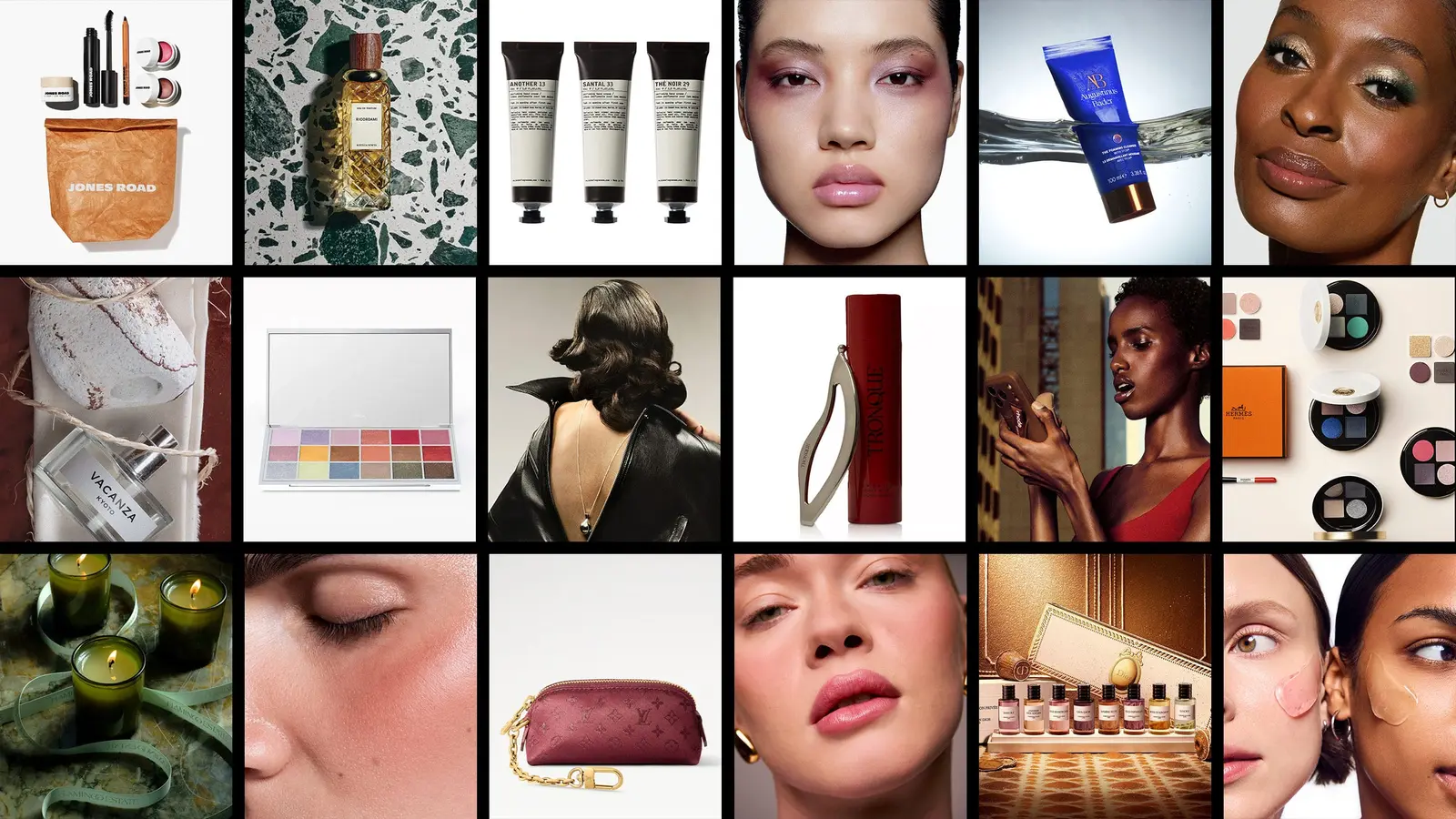 Best Beauty Gifts That Will Actually Get Used
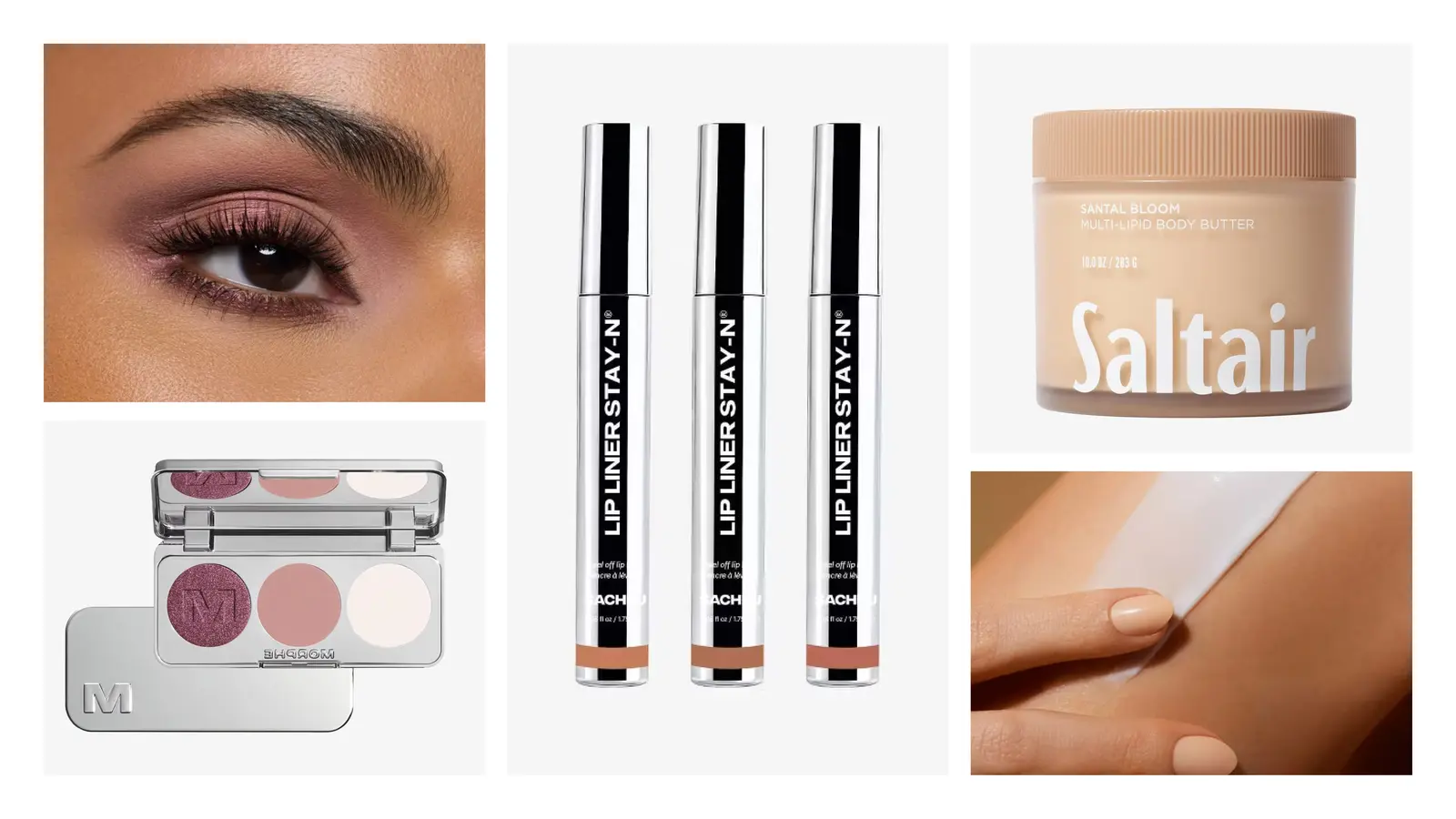 Target Beauty Gifts: Top Picks for the Season
The journey of denim toward the upper echelons of style has been gradual but undeniable. Designers have long recognized the fabric’s versatility and cultural weight. By treating jeans as canvas rather than just clothing, they elevated the material’s perception among consumers. This rebranding effort successfully detached denim from its blue-collar roots and placed it firmly in the realm of aspirational luxury.
Iconic figures in the fashion world have consistently championed the garment’s potential. Yves Saint Laurent famously expressed a wish that he had invented them, highlighting their timeless appeal. Andy Warhol declared his desire to be buried in them, cementing their place in pop culture history. Meanwhile, Giorgio Armani described jeans as representing „democracy in fashion,” a concept that paradoxically fueled their exclusivity in modern luxury markets.
Does Price Reflect True Value?
These endorsements helped bridge the gap between street style and haute couture. Brands began experimenting with intricate tailoring, exclusive fabrics, and limited production runs. The result was a product that retained the comfort of traditional denim while offering the prestige of designer labels. Consumers responded by embracing this new tier of denim, willing to pay significantly more for craftsmanship and brand heritage.
The financial implications of this trend are substantial. Luxury denim brands now price pairs well beyond the reach of the average shopper, often costing hundreds or even thousands of dollars. This pricing strategy relies on the scarcity principle and the perceived value of the brand name. Critics argue that this disconnects the item from its democratic origins, while supporters claim that superior quality justifies the cost.
Data from the fashion sector indicates a steady growth in the luxury denim segment. Shoppers are increasingly viewing these garments as investment pieces rather than disposable wardrobe items. The focus has shifted from fast-fashion turnover to long-term durability and aesthetic longevity. This change in consumer behavior supports the higher price points and encourages brands to innovate further.
The future of luxury denim appears bright, with continued expansion into exclusive collaborations and sustainable production methods. As the market matures, we may see even greater integration of technology and artisanal techniques. The core question remains whether denim can sustain its dual identity as both a democratic symbol and a luxury commodity. For now, the balance seems stable, with enthusiasts eagerly awaiting the next evolution in this iconic fabric’s story.
Frequently Asked Questions
Why are luxury jeans so expensive? Luxury jeans command high prices due to premium materials, meticulous craftsmanship, and strong brand heritage. Limited production runs also contribute to their exclusivity and higher market value.
Who popularized jeans in high fashion? Designers like Giorgio Armani and Yves Saint Laurent played key roles in elevating denim’s status. Their endorsements helped transition jeans from everyday wear to respected fashion statements.
Is denim still considered casual wear? While denim retains its casual roots, it is now widely accepted in formal and luxury contexts. Many fashion experts view it as a versatile staple that bridges the gap between street style and high-end design.