Tradwife Aesthetic Dominates Copenhagen’s August Street Fashion
Tradwife Trend Takes Over Copenhagen Streets
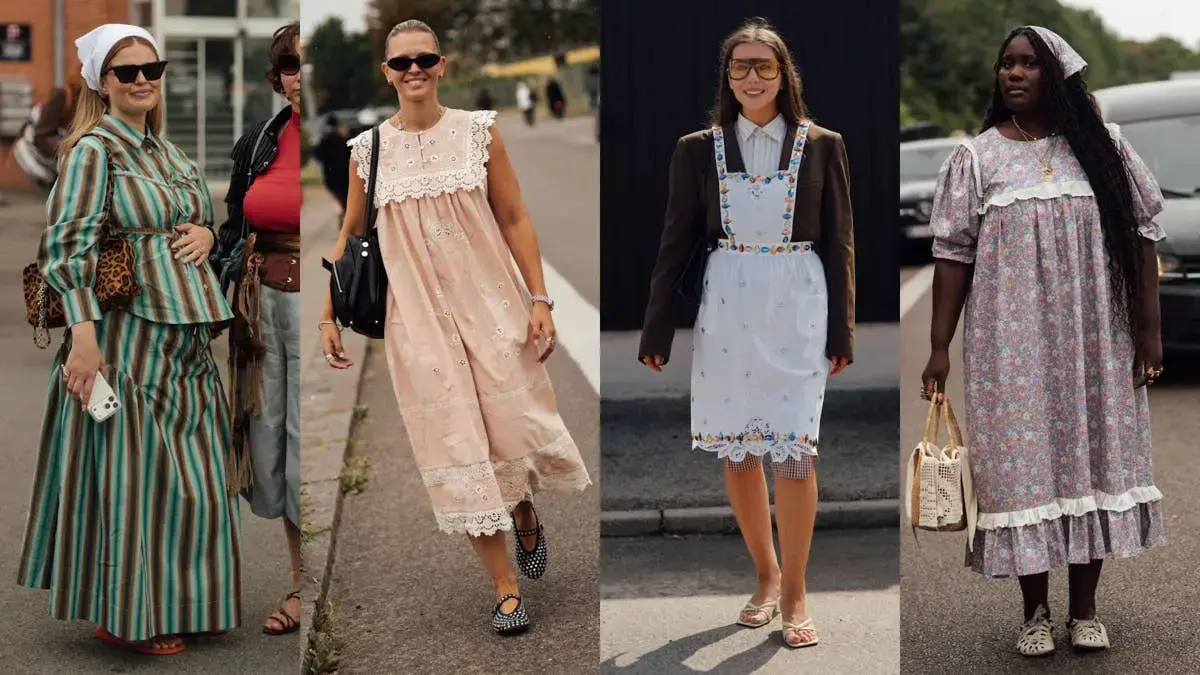
Copenhagen Fashion Week has long signaled upcoming global trends, and this August the city’s streets displayed a striking revival of „tradwife” style. Women across the capital were spotted in headscarves suited for butter‑churning, bloomers, aprons, prairie‑inspired dresses, and pronounced baby bumps, signaling a collective turn toward nostalgic domesticity.
Breaking News
 Hollywood Elite Honor Carpenter, Theron, and Domingo at Academy Museum Gala
 The Next Generation of Collagen: Small Peptides, Big Claims
 The Impending Rise of Cobalt Blue in 2027 Fashion
 The Secret to a Flawless Autumn Complexion is Sunscreen Layering
The surge appears rooted in a broader yearning for simpler, handcrafted lifestyles as consumers grow weary of fast fashion’s disposable culture. Designers showcased vintage‑inspired collections, while influencers posted tutorials on homemade meals and traditional crafts, reinforcing the theme of returning to „yesteryear.” Retailers reported a 27 % rise in sales of retro‑styled garments and accessories compared with the same period last year, suggesting the aesthetic resonates beyond runway hype.
On Nørrebrogade and around the city’s historic districts, the tradwife look became a daily uniform. Headscarves, often patterned with gingham or floral prints, were paired with full‑skirted prairie dresses that swayed past the knees. Many outfits featured sturdy aprons, echoing the attire of early‑20th‑century housewives. Observers noted a noticeable increase in visible baby bumps, as expectant mothers embraced the look to celebrate motherhood publicly.
Is the Nostalgic Look a Reaction to Modern Pressures?
Local boutique owner Mette Jensen said, „Customers ask for pieces that feel like they belong in a storybook, not a showroom. The demand for authentic, hand‑sewn details is undeniable.” Fashion students at the Royal Danish Academy reported a spike in projects centered on sustainable, low‑tech garment construction, aligning with the tradwife narrative. Social media hashtags such as for weeks, amplifying the movement’s visibility.
Experts suggest the tradwife resurgence may be a coping mechanism against contemporary anxieties. Dr. Lars Holm, a sociologist specializing in consumer behavior, explained, „When people feel overwhelmed by digital overload and climate concerns, they gravitate toward symbols of stability and self‑sufficiency.” The aesthetic offers a visual promise of control—through cooking, sewing, and childrearing—that contrasts sharply with the uncertainty of a fast‑paced world.
Critics argue the trend romanticizes a past that excluded many, warning that the idealized image could overlook historical gender inequities. Nonetheless, many participants claim empowerment, stating that choosing a tradwife style is a conscious, personal expression rather than a regression. The dialogue continues as fashion houses balance nostalgia with inclusivity, ensuring the look evolves rather than freezes.
As Copenhagen’s streets continue to echo with the sounds of butter churns and sewing machines, the tradwife aesthetic may shape upcoming collections across Europe. Designers are likely to integrate retro silhouettes with modern sustainability practices, creating a hybrid that satisfies both nostalgic cravings and contemporary ethical standards. The movement’s longevity will depend on its ability to adapt, offering a timeless appeal without ignoring the complexities of today’s society.
Frequently Asked Questions
What defines the tradwife aesthetic in Copenhagen’s current fashion scene? It combines vintage‑inspired headscarves, bloomers, aprons, prairie dresses, and visible pregnancy, emphasizing handcrafted, domestic motifs over sleek, modern designs.
Why are consumers gravitating toward this nostalgic style now? Many seek comfort and agency amid digital saturation and environmental worries, finding reassurance in the simplicity and self‑reliance the look represents.
Will the tradwife trend influence mainstream fashion beyond Denmark? Early indicators suggest global designers are already integrating retro elements, so the aesthetic is poised to appear in upcoming collections worldwide.