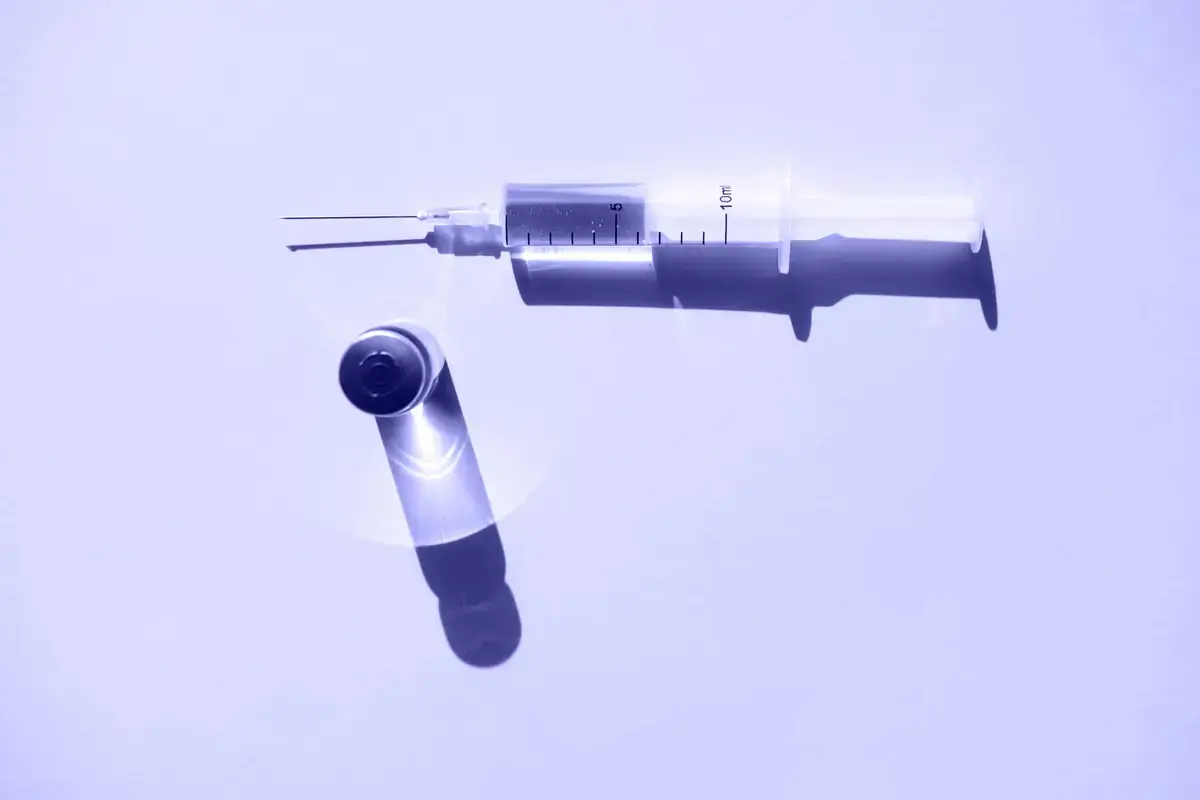
Zinc's Role in Extending Botox Effects Examined by Experts
The Science Behind Zinc and Neurotoxins
A recent discussion among dermatologists has shed light on the potential connection between zinc supplementation and the longevity of Botox treatments. The conversation explores whether adding zinc to one's diet can genuinely prolong the cosmetic effects of neurotoxin injections. This topic is gaining traction among individuals seeking to maximize their aesthetic results.
Breaking News
 Hollywood Elite Honor Carpenter, Theron, and Domingo at Academy Museum Gala
 The Next Generation of Collagen: Small Peptides, Big Claims
 The Impending Rise of Cobalt Blue in 2027 Fashion
 The Secret to a Flawless Autumn Complexion is Sunscreen Layering
The idea stems from the understanding that neurotoxins like Botox require zinc to function effectively within the body. Without adequate zinc, the active ingredients might not bind properly to nerve endings, potentially diminishing their impact or shortening their duration. This has led some to consider zinc as a supporting element for their cosmetic procedures.
Neurotoxins, such as those used in Botox, are zinc-dependent proteases. This means they rely on zinc ions to perform their intended action of temporarily paralyzing muscles. If the body's zinc levels are insufficient, the efficacy of the neurotoxin could theoretically be compromised. This biological requirement forms the basis of the claim that zinc might extend Botox's effects.
Is More Zinc Always Better for Botox?
Some preliminary studies and anecdotal reports suggest a positive correlation. Patients who maintained optimal zinc levels, either through diet or supplements, reportedly experienced longer-lasting results from their Botox injections. However, experts emphasize that more rigorous scientific research is needed to definitively confirm these observations.
While zinc is crucial, simply taking high doses of supplements might not be the answer. The body requires a balanced amount of zinc for overall health. Excessive zinc intake can lead to adverse effects, including nausea, vomiting, and even copper deficiency. Therefore, individuals should exercise caution and consult with a healthcare professional before altering their supplement regimen.
Dermatologists advise against self-prescribing zinc supplements specifically for Botox enhancement. They recommend focusing on a balanced diet rich in zinc, found in foods like meat, shellfish, legumes, and nuts. If a deficiency is suspected, a doctor can recommend appropriate testing and supplementation. The goal is optimal health, which naturally supports cosmetic treatments.
Frequently Asked Questions
What is the recommended daily intake of zinc? The recommended daily allowance for zinc varies by age and gender, but generally ranges from 8 to 11 milligrams for adults. It's best to consult a doctor for personalized advice.
Can zinc supplements cause side effects? Yes, excessive zinc intake can lead to side effects such as nausea, vomiting, diarrhea, and headaches. It can also interfere with the absorption of other essential minerals like copper.
Should I take zinc before my Botox appointment? It is not generally recommended to start zinc supplementation solely for Botox without medical advice. Focus on a balanced diet and discuss any concerns with your dermatologist or doctor.