Dermatologists Clarify Normal Hair Shedding Versus Warning Signs
How Can You Tell If Your Hair Loss Is Normal?
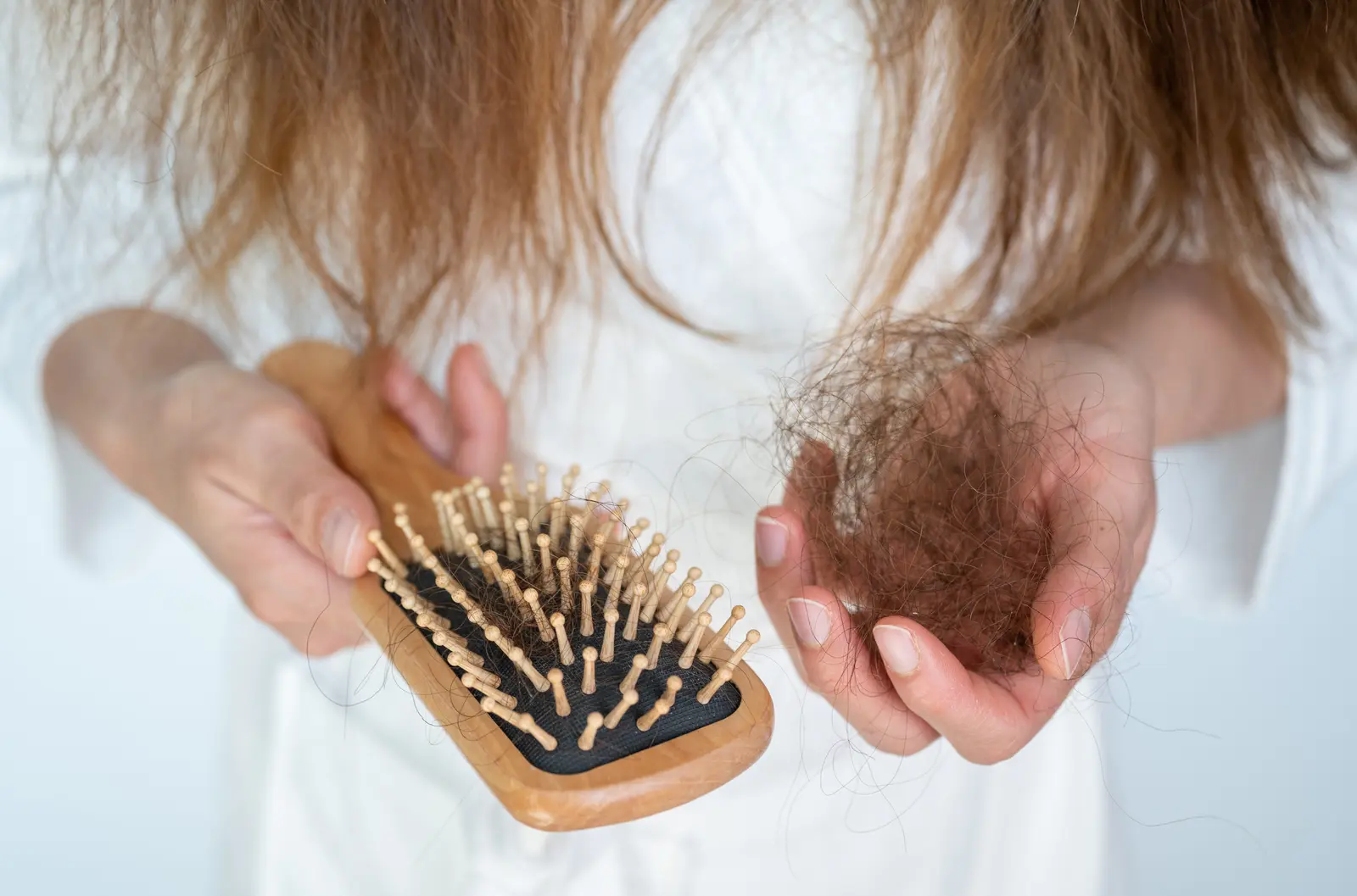
Hair loss is a common concern, but dermatologists emphasize that some daily shedding is part of the natural hair growth cycle. On average, losing between 50 and 100 hairs per day is considered normal for most people. This shedding often becomes noticeable during washing, brushing, or styling. Experts explain that hair follicles cycle through growth, rest, and shedding phases, making occasional loss expected. However, when shedding exceeds this range or appears in concentrated patches, it may signal an underlying issue requiring attention.
Breaking News
 Hollywood Elite Honor Carpenter, Theron, and Domingo at Academy Museum Gala
 The Next Generation of Collagen: Small Peptides, Big Claims
 The Impending Rise of Cobalt Blue in 2027 Fashion
 The Secret to a Flawless Autumn Complexion is Sunscreen Layering
Several factors can influence hair shedding beyond the typical range. Stress, hormonal changes, nutritional deficiencies, and certain medications are known contributors to increased loss. Seasonal variations also play a role, with some individuals experiencing more shedding in the fall. Dermatologists note that sudden or excessive shedding, especially when accompanied by scalp irritation, redness, or visible thinning, warrants professional evaluation. Early consultation can help identify causes such as telogen effluvium, alopecia areata, or androgenetic alopecia, allowing for timely intervention.
What Steps Should You Take If Shedding Seems Excessive?
Distinguishing between typical shedding and problematic loss involves observing patterns and volume. A simple method is the „pull test,”where gently tugging on a small section of hair should yield no more than a few strands. If more than 10 hairs come out easily, it may indicate abnormal shedding. Monitoring drain clogging after showers or noticing increased hair on pillows and brushes can also provide clues. Dermatologists advise tracking changes over several weeks rather than reacting to single occurrences, as temporary fluctuations are common.
When hair loss appears beyond normal limits, seeking advice from a dermatologist or trichologist is recommended. Professionals may conduct scalp examinations, review medical history, and order blood tests to check for thyroid issues, iron deficiency, or hormonal imbalances. Treatment options vary based on diagnosis and may include topical solutions, oral medications, lifestyle adjustments, or light therapy. Maintaining a balanced diet rich in protein, vitamins, and minerals supports hair health, while reducing stress through mindfulness or exercise can also help mitigate shedding linked to emotional factors.
Is it normal to lose more hair when washing it? Yes, washing can dislodge hairs already in the shedding phase, making loss more noticeable during showers. This does not necessarily mean increased shedding overall.
Frequently Asked Questions
Can hairstyles contribute to hair loss? Tight ponytails, braids, or extensions that pull on the scalp may cause traction alopecia over time, leading to permanent damage if not addressed early.
Should I be concerned if I see bald patches? Sudden round or oval bald spots could indicate alopecia areata, an autoimmune condition, and should be evaluated by a dermatologist promptly.