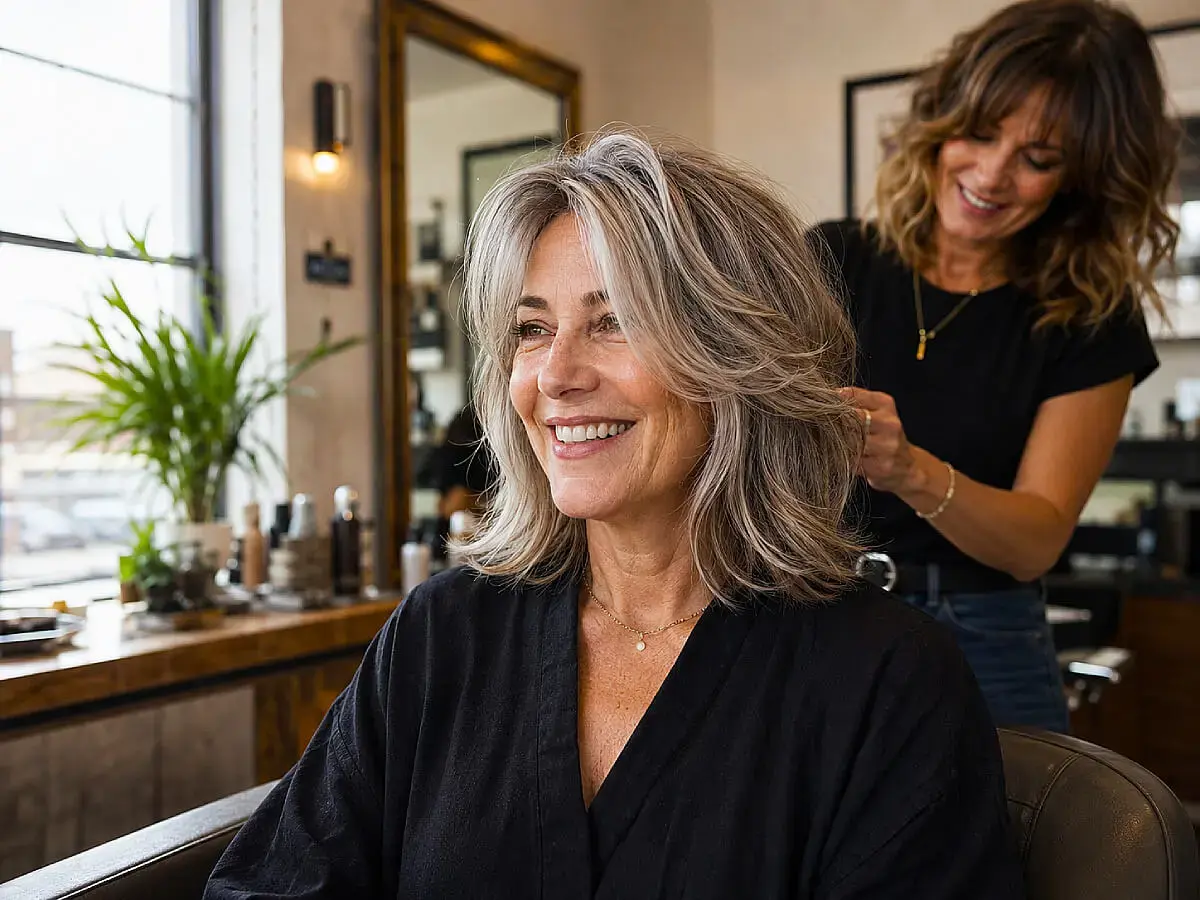
Hair Transformation in Your 50s: What to Expect
The Science Behind Thinning Hair
A 52-year-old woman from Muncie, Indiana, noticed a drastic change in her hair after turning 50. It became thinner, and its texture altered.
Breaking News
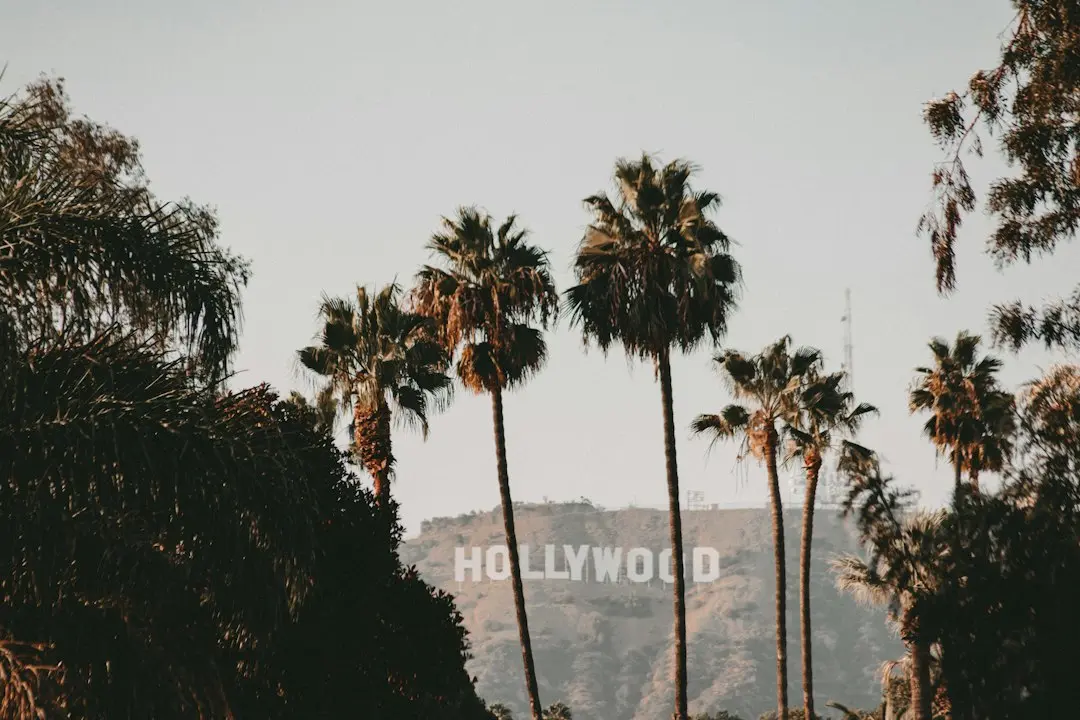 Hollywood Elite Honor Carpenter, Theron, and Domingo at Academy Museum Gala
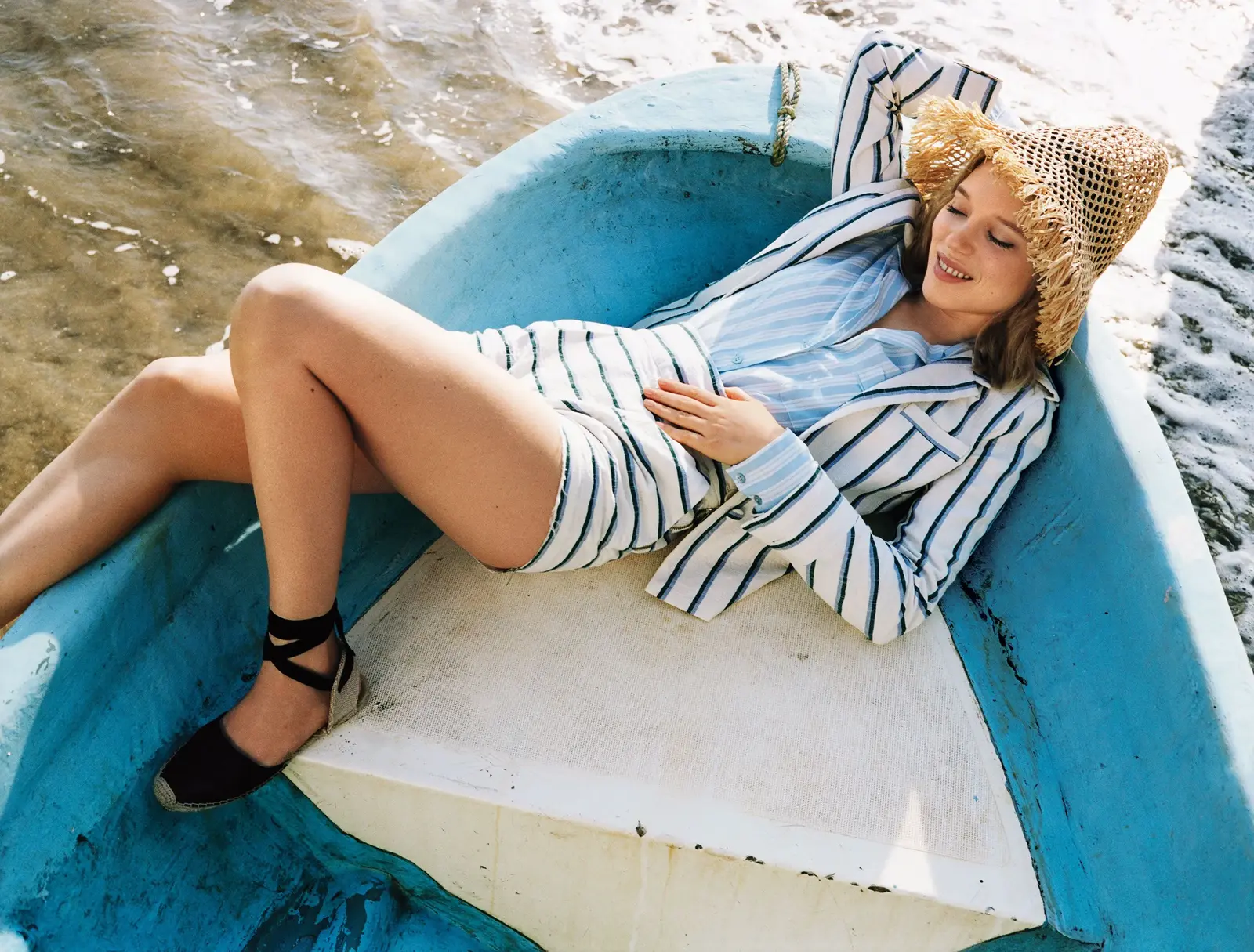 The Next Generation of Collagen: Small Peptides, Big Claims
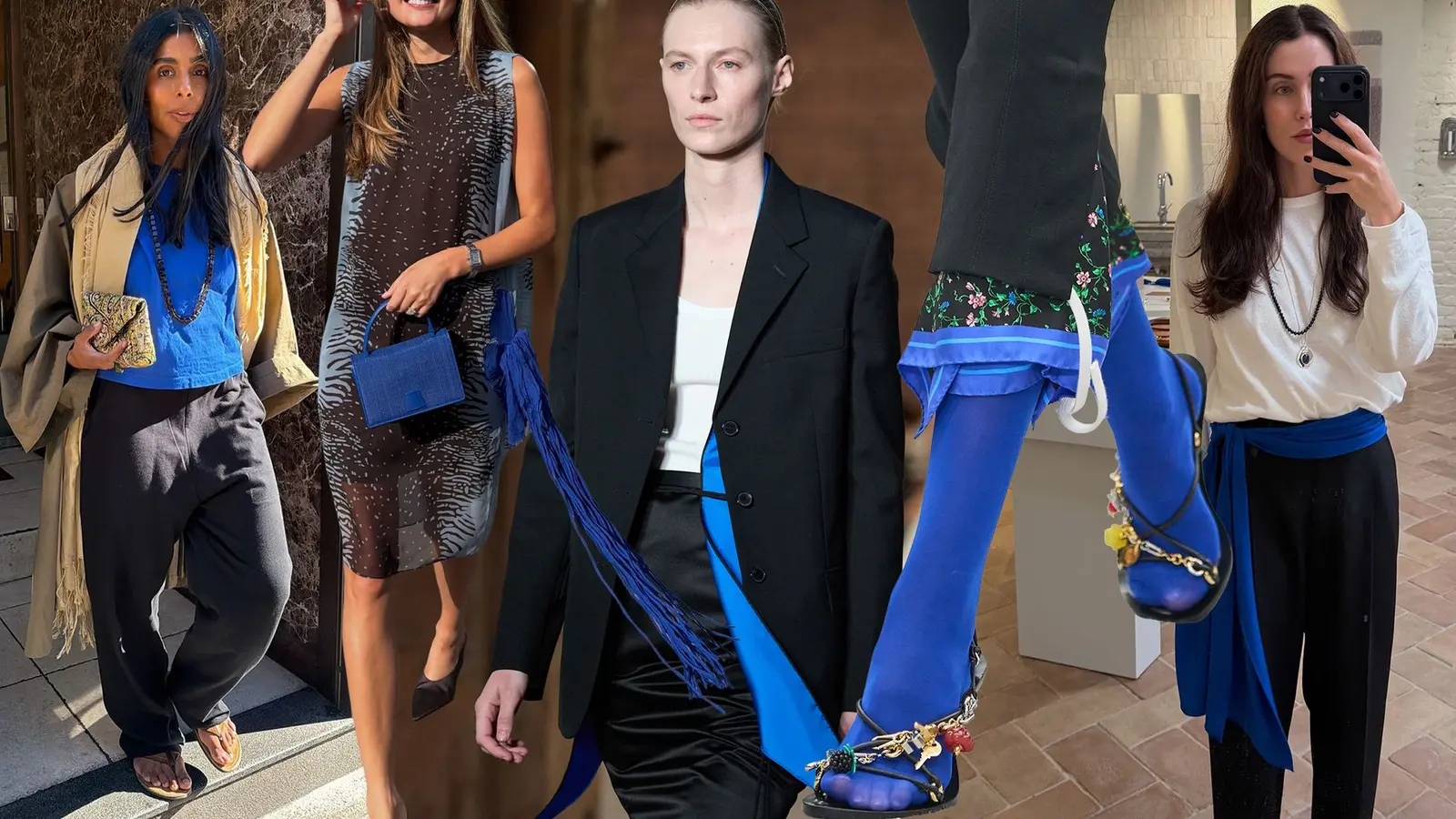 The Impending Rise of Cobalt Blue in 2027 Fashion
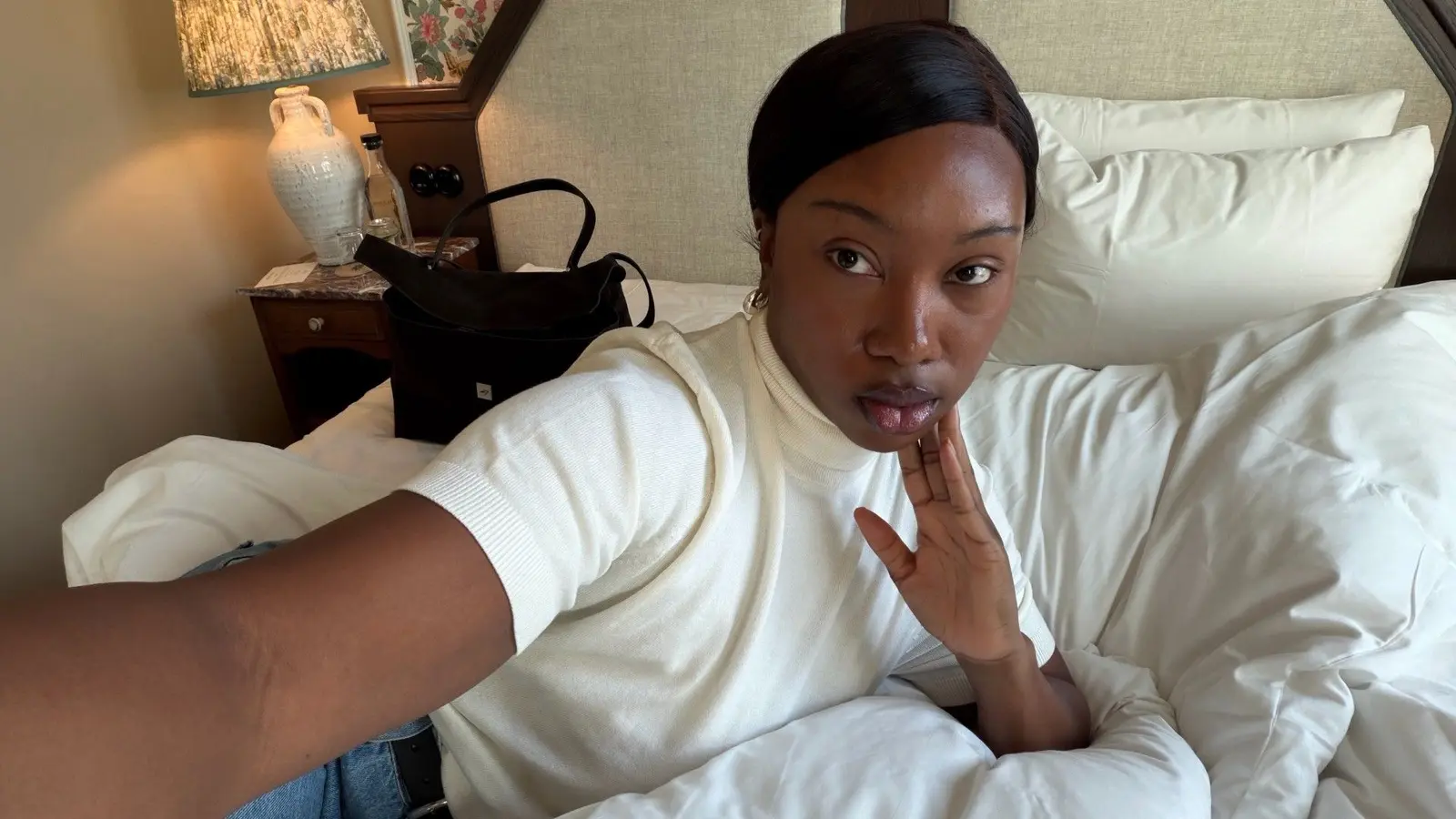 The Secret to a Flawless Autumn Complexion is Sunscreen Layering
As people age, hormonal fluctuations and natural aging processes affect hair growth and texture. This change can be unsettling, especially when regular styling no longer works.
Hormonal changes during menopause cause hair follicles to shrink, leading to thinner, shorter hair. The growth cycle slows, and the resting phase prolongs. This results in a significant change in hair texture and density.
What's Happening to Your Locks?
Experts say that the reduction in estrogen levels is a primary factor. As estrogen decreases, the hair growth cycle is disrupted. This can lead to hair loss and changes in texture. A stylist may need to adapt their techniques to accommodate these changes.
A new hairstyle or treatment may be necessary to revitalize the hair. Consulting a professional can help determine the best course of action.
Frequently Asked Questions
Can hormonal changes cause hair loss? Yes, the decrease in estrogen during menopause can lead to hair loss and changes in texture. This is a natural process, but it can be addressed with the right styling and treatment.
Will my hair ever return to its original state? It's unlikely that hair will revert to its pre-menopause state, but there are styling options and treatments available to improve its appearance.
How can I care for my changing hair? Using gentle products and minimizing heat styling can help. Consulting a professional stylist is also recommended to find a style that suits your new hair texture.