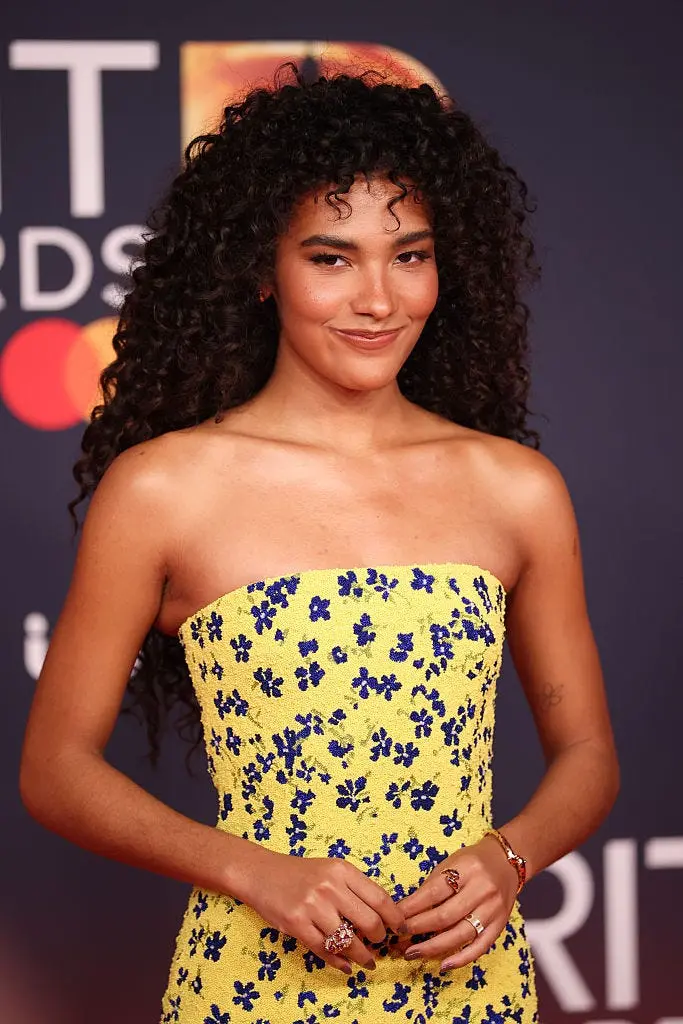
Why Moisture Layering Is the Hydration Technique to Transform Curly Hair
How Product Order Affects Curl Definition
Moisture layering is gaining attention as a practical solution for curly hair that feels dry, frizzy, or lacks definition. This technique involves applying hydrating products in a specific sequence to maximize moisture retention and improve curl pattern. Developed in response to common frustrations with traditional routines, it focuses on building hydration from the inside out. Stylists and curl specialists are recommending it for those struggling with inconsistent results despite using multiple products.
Breaking News
 Hollywood Elite Honor Carpenter, Theron, and Domingo at Academy Museum Gala
 The Next Generation of Collagen: Small Peptides, Big Claims
 The Impending Rise of Cobalt Blue in 2027 Fashion
 The Secret to a Flawless Autumn Complexion is Sunscreen Layering
The method begins with a water-based leave-in conditioner to dampen and prep the hair, followed by a cream or butter to seal in moisture, and finished with a light oil to prevent evaporation. Each layer serves a distinct purpose: hydration, emollience, and occlusion. Experts note that skipping steps or reversing the order often leads to product buildup or ineffective results. The approach works best on damp hair after washing, allowing each product to absorb properly before the next is applied.
The success of moisture layering depends heavily on the sequence of application. Applying oil before cream, for example, can block moisture from entering the hair shaft, leaving curls parched despite the effort. Conversely, starting with a cream on dry hair may create a barrier that prevents water-based products from penetrating. Jenna Waggitt, a beauty editor who tested the method, reported noticeably softer curls and reduced frizz after just three days of consistent use. She emphasized that consistency matters more than product quantity, warning against overloading the hair.
Can This Routine Work for All Curl Types?
Many users with high-porosity curls find this technique particularly beneficial, as their hair struggles to retain moisture. By layering products strategically, they create a protective shield that slows water loss throughout the day. The method also reduces the need for frequent rewetting or refreshing, saving time and minimizing manipulation that can cause breakage.
While moisture layering is widely praised, its effectiveness can vary based on hair texture and porosity. Those with low-porosity curls may need to adjust by using lighter formulations to avoid weighing down strands. Heat or steam during application can help open the cuticle for better absorption in these cases. For coily or tightly curled patterns, richer creams and butters are often necessary to achieve adequate slip and definition. The key is observing how the hair responds and adjusting product weights accordingly.
Dermatologists caution that while external hydration improves appearance, internal factors like diet and hydration also play a role in hair health. They recommend pairing moisture layering with a balanced diet rich in omega-3s and vitamins for long-term strength. Still, for immediate improvement in manageability and shine, the technique offers a accessible, low-risk starting point.
Frequently Asked Questions
How long does it take to see results from moisture layering? Most people notice improved softness and reduced frizz within three to five days of consistent use, with optimal curl definition appearing after one to two weeks.
Should I use moisture layering every time I wash my hair? Yes, for best results, apply the full layering routine after each wash day to maintain consistent hydration levels and prevent moisture loss between washes.
Can I skip the oil step if my hair feels greasy? If oil causes buildup, try reducing the amount or switching to a lighter sealant like a silicone-free serum, but do not omit the occlusion step entirely, as it helps lock in moisture from the previous layers.