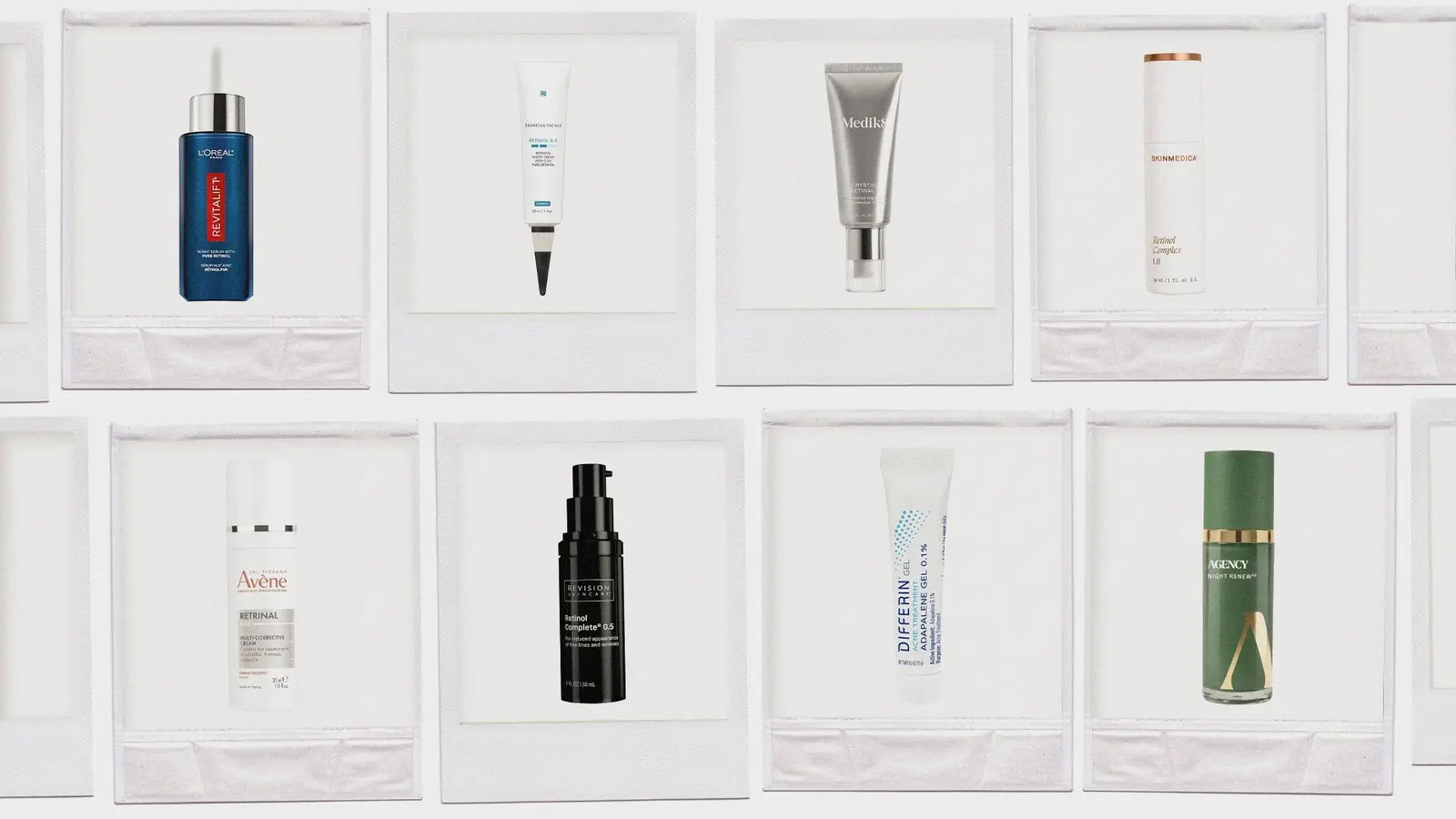
Navigating the World of Retinoids for Optimal Skin Health
Matching Potency to Your Skin Goals
Dermatologists are increasingly highlighting the importance of choosing the correct retinoid to address specific skin concerns. From over-the-counter retinol to prescription-strength tretinoin, these vitamin A derivatives offer powerful anti-aging and acne-fighting benefits. Understanding the potency and conversion process of each type is essential for developing an effective, irritation-free skincare routine.
Breaking News
 Hollywood Elite Honor Carpenter, Theron, and Domingo at Academy Museum Gala
 The Next Generation of Collagen: Small Peptides, Big Claims
 The Impending Rise of Cobalt Blue in 2027 Fashion
 The Secret to a Flawless Autumn Complexion is Sunscreen Layering
Retinoids work by accelerating cell turnover and stimulating collagen production. However, not all formulas are created equal. Tretinoin is a potent, direct form of retinoic acid that requires a prescription. Conversely, retinol and retinal must undergo conversion within the skin before they become active. This process often dictates how quickly a user sees results and the likelihood of experiencing side effects like redness or peeling.
The strength of a retinoid determines its impact on fine lines, hyperpigmentation, and persistent breakouts. Beginners are typically advised to start with lower-concentration retinol products to allow the skin barrier to adjust. Those dealing with severe acne may find adapalene more effective, as it specifically targets clogged pores. Meanwhile, retinaldehyde, or retinal, serves as a middle ground, offering faster results than retinol while remaining gentler than prescription-grade options.
Which Retinoid is Right for Your Routine?
Consistency remains the most critical factor when incorporating these ingredients into a nightly regimen. Users should apply a pea-sized amount to clean, dry skin and follow up with a high-quality moisturizer. Because retinoids increase sun sensitivity, daily application of broad-spectrum sunscreen is non-negotiable. Failing to protect the skin can lead to increased irritation and negate the rejuvenating benefits of the treatment.
Selecting the ideal product depends on your unique skin sensitivity and specific aesthetic objectives. If you are new to active ingredients, a mild retinol serum is usually the safest entry point. Individuals with mature skin or stubborn sun damage might eventually graduate to stronger derivatives under the guidance of a professional. Patience is vital, as it often takes several months of regular use to notice significant improvements in texture and tone.
Frequently Asked Questions
As the skincare market continues to evolve, the variety of available retinoid formulations makes personalized treatment more accessible than ever. By identifying your primary skin concerns and starting with a low-intensity product, you can safely harness the power of vitamin A. Long-term use typically leads to smoother, more resilient skin, provided you maintain a balanced approach to hydration and sun protection.
Can I use multiple retinoids at the same time? It is generally not recommended to layer different retinoids, as this significantly increases the risk of severe irritation and barrier damage. Stick to one product at a time to monitor how your skin responds.
How long does it take to see results? Most users notice improvements in skin texture within four to six weeks. However, deeper changes like reduced fine lines or significant acne clearance often require three to six months of consistent use.