Best Humidifiers for Congestion, Allergies, and Dry Skin
Choosing the Right Device for Your Space
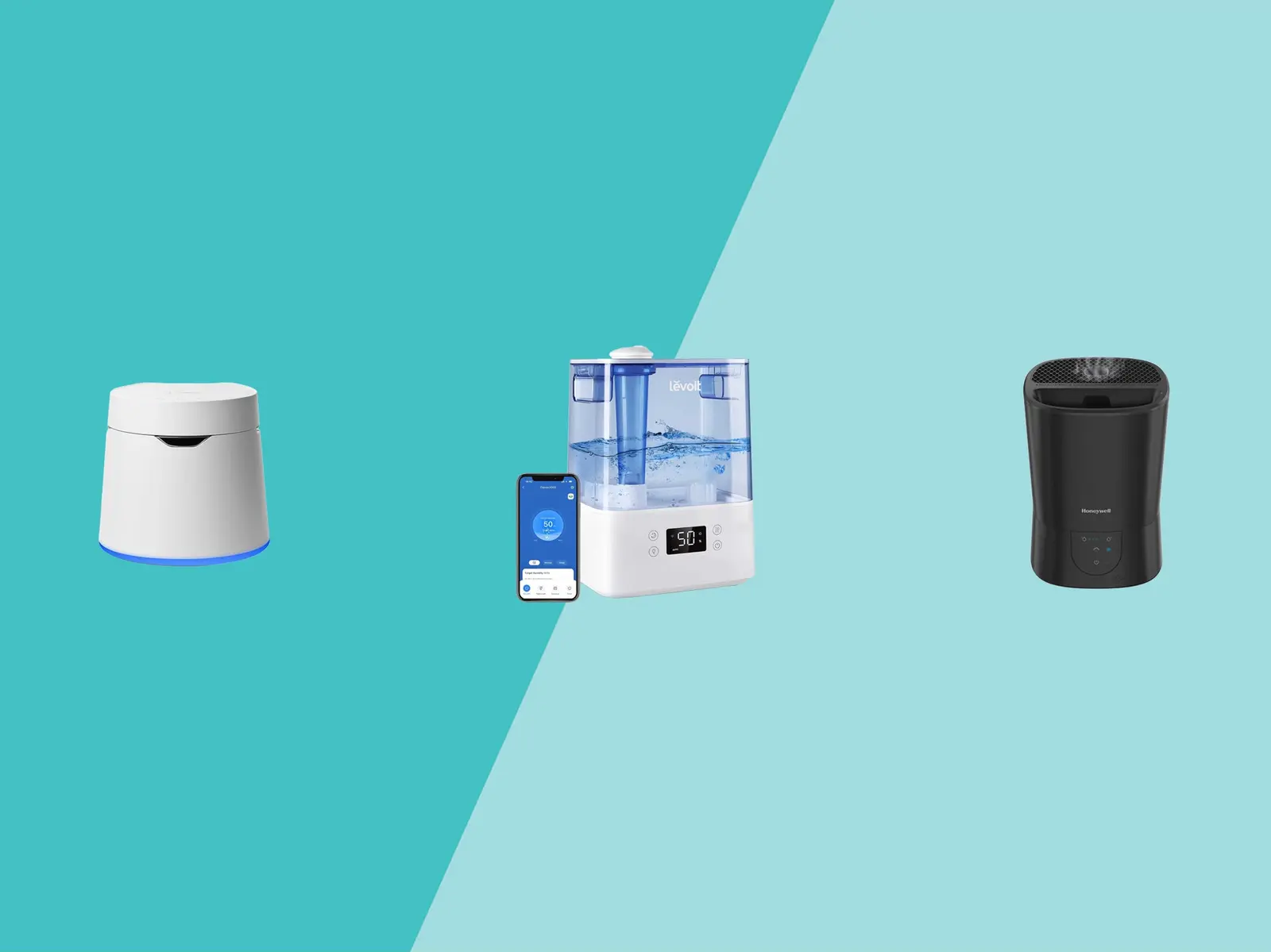
Experts and editors have identified eight top humidifiers designed to combat winter dryness. These devices target common seasonal complaints like sore throats, runny noses, and flaky skin. The picks focus on adding moisture to indoor air during cold months.
Breaking News
 NYC Jewelry Week Honors High School Talent With New Award
 Nike Gyakusou Running Line Returns After Five-Year Hiatus
 The Best Long-Lasting Perfumes You Can Bank On
 Swinging Sixties fashion trends are making a strong return to runways and retail floors
Indoor heating systems strip moisture from the air, creating uncomfortable conditions. Many people experience relief after a steamy shower because humidity eases irritation. A good humidifier replicates that effect continuously. It helps maintain comfortable indoor humidity levels without constant manual intervention.
Why Winter Dryness Hurts More Than You Think
Not all humidifiers work the same way. Some use ultrasonic technology, while others rely on evaporative methods. The right choice depends on room size, noise tolerance, and maintenance preferences. Editors evaluated each model based on expert input and real-world performance.
Low humidity can worsen allergies, congestion, and skin issues. It also affects sleep quality and respiratory comfort. Experts note that maintaining 30-50% relative humidity is ideal for most households. The featured humidifiers help users reach that range consistently.
How often should I clean my humidifier? Weekly cleaning prevents mold and mineral buildup. Use distilled water to reduce scale. Follow the manufacturer's maintenance schedule for best results.
Frequently Asked Questions
Can a humidifier help with allergies? Yes. Adding moisture can reduce airborne allergen particles. It also soothes irritated nasal passages and supports overall respiratory comfort during allergy season.
What size humidifier do I need? Match the tank capacity to your room size. A small bedroom needs a compact unit, while open-plan living areas require larger-capacity models. Check the manufacturer's coverage specifications before buying.