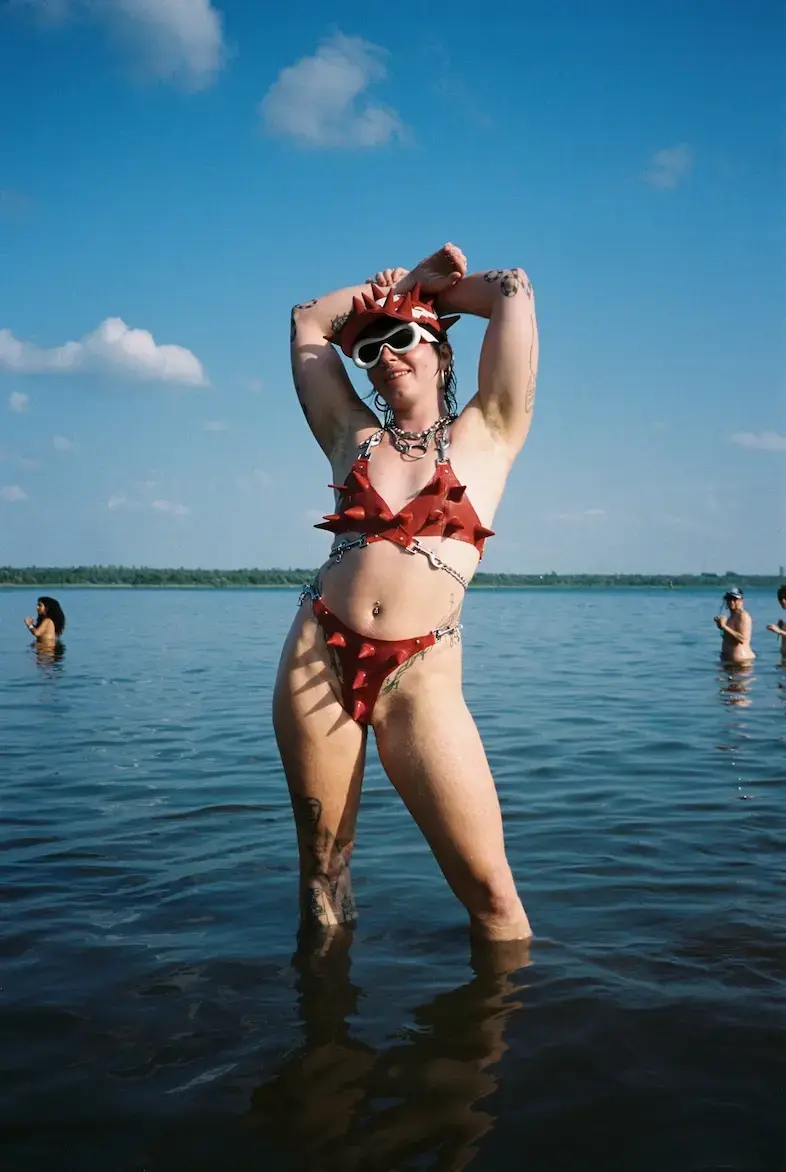
Feral Fashion Takes Center Stage at WHOLE Festival’s Uhaul Dyke Bar
A Night of Playful Rebellion
The Uhaul Dyke bar, a pop‑up venue at this year’s WHOLE Festival, hosted a vibrant FLINTA crowd on July 23, 2026. Photographer Lauren Corelli documented the scene, capturing outfits that blended sensuality with humor, as participants carved out a space distinct from the festival’s more muscular, gay‑centric areas.
Breaking News
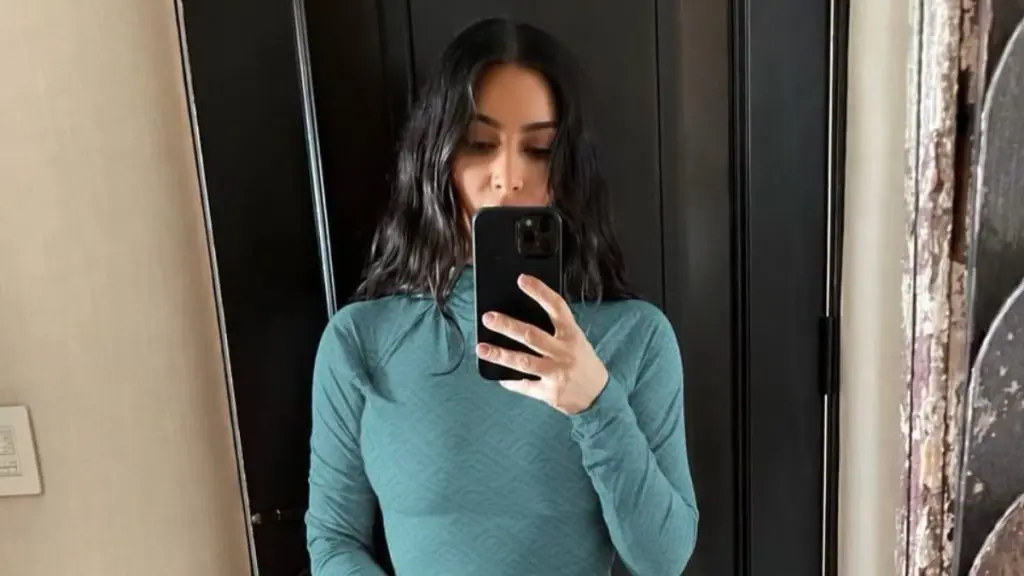 Kim Kardashian Stuns in Dramatic Cutout Dress for Early Birthday
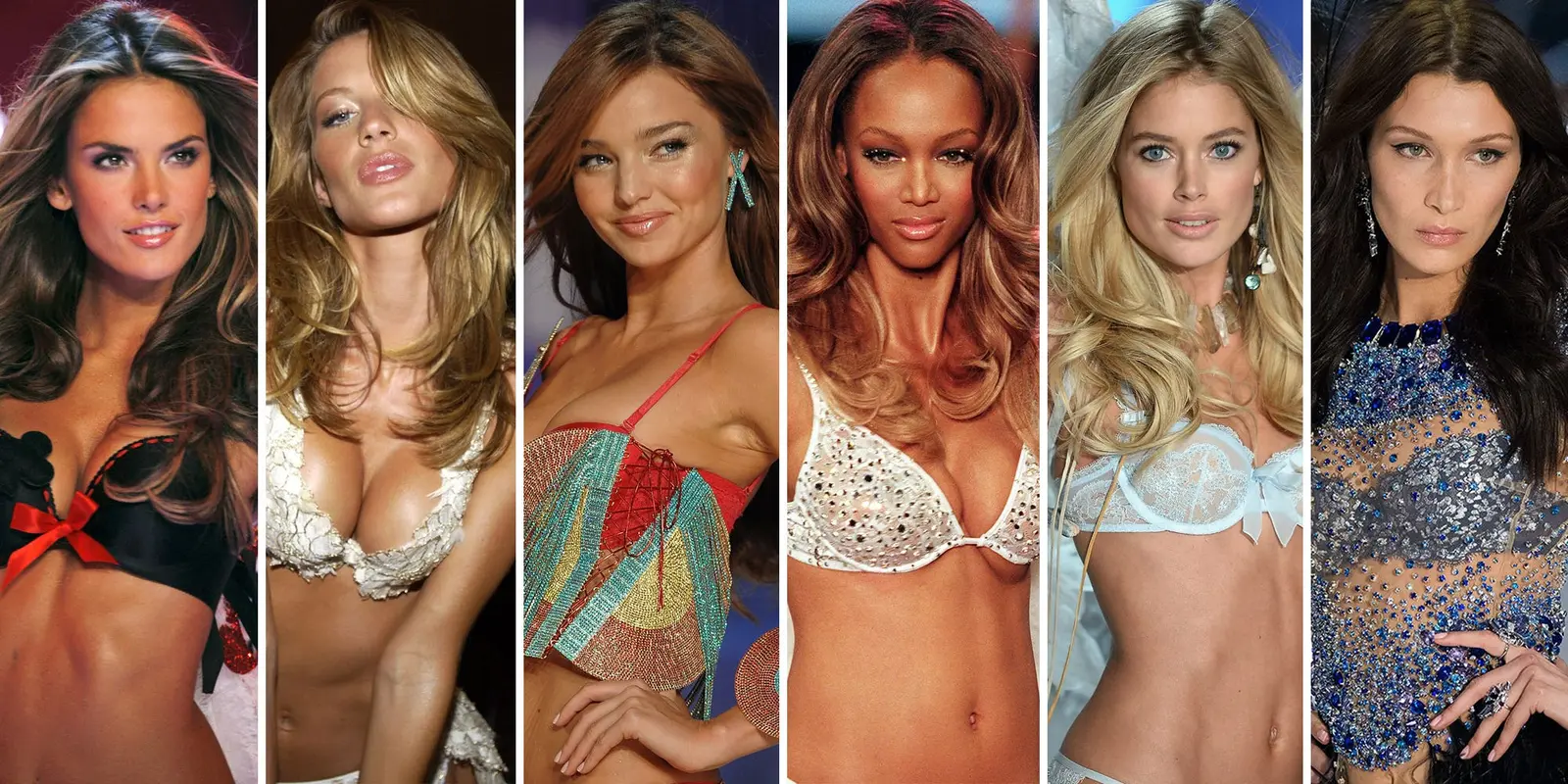 The Evolution of Angel Hair and Makeup at Victoria’s Secret
 Nike’s Fanciest Forces Refuse to Clock Out
 Hollywood Elite Honor Carpenter, Theron, and Domingo at Academy Museum Gala
Corelli’s images reveal a night where gender play and avant‑garde style collided. Attendees dressed in exaggerated silhouettes, glittering accessories, and tongue‑in‑cheek motifs, celebrating self‑expression beyond mainstream festival fashion. The atmosphere felt both liberated and intimate, reflecting a desire to reclaim a corner of the event for queer women, trans, and non‑binary bodies often sidelined in larger festival narratives.
The crowd’s energy was palpable. Neon lights flickered over mismatched fabrics, while laughter echoed between beats. Corelli noted that many outfits „balanced sexy and silly,” a phrase that summed the collective mood. Some participants wore oversized inflatable accessories, others opted for vintage lingerie reimagined as outerwear. The mix of high‑glam and DIY aesthetics underscored a refusal to conform to any single fashion code.
Why Did the FLINTA Crowd Claim This Space?
Festival organizers had designated the Uhaul Dyke bar as a „safe zone” for FLINTA attendees, aiming to diversify the visual landscape of WHOLE. By providing a dedicated space, the event encouraged artists and revelers to push boundaries without fear of judgment. The resulting tableau, captured through Corelli’s lens, highlighted how intentional venue planning can foster creative freedom.
The decision to occupy the Uhaul Dyke bar stemmed from a broader push for representation within festival culture. FLINTA participants felt marginalized by the dominant „muscle gay” aesthetic that often dominates outdoor music events. Claiming this bar allowed them to showcase alternative expressions of queer identity, challenging the notion that festival fashion must be uniform or masculine.
Quotes from attendees emphasized empowerment. One festivalgoer said, „We wanted a place where our style could be as bold as anyone else’s, without being labeled.” Another added, „The bar feels like a canvas, and our outfits are the paint.” Such statements illustrate how the space became a micro‑community where fashion served as both armor and art.
Looking ahead, the visual archive created by Corelli may influence future festival programming. Organizers are likely to consider expanding similar zones, recognizing the demand for inclusive environments that celebrate diverse bodies and aesthetics. The images also offer a reference point for designers seeking inspiration from grassroots fashion movements.
Frequently Asked Questions
What does FLINTA stand for? FLINTA is an acronym encompassing feminist, lesbian, intersex, non‑binary, trans, and agender individuals, used to describe a broad queer community.
How did the photographer gain access to the event? Lauren Corelli was invited by WHOLE Festival’s media team to document the Uhaul Dyke bar, focusing on the night’s fashion and atmosphere.
Will the Uhaul Dyke bar return next year? Organizers have hinted at a repeat, citing the positive response from participants and the visual impact of Corelli’s photographs.