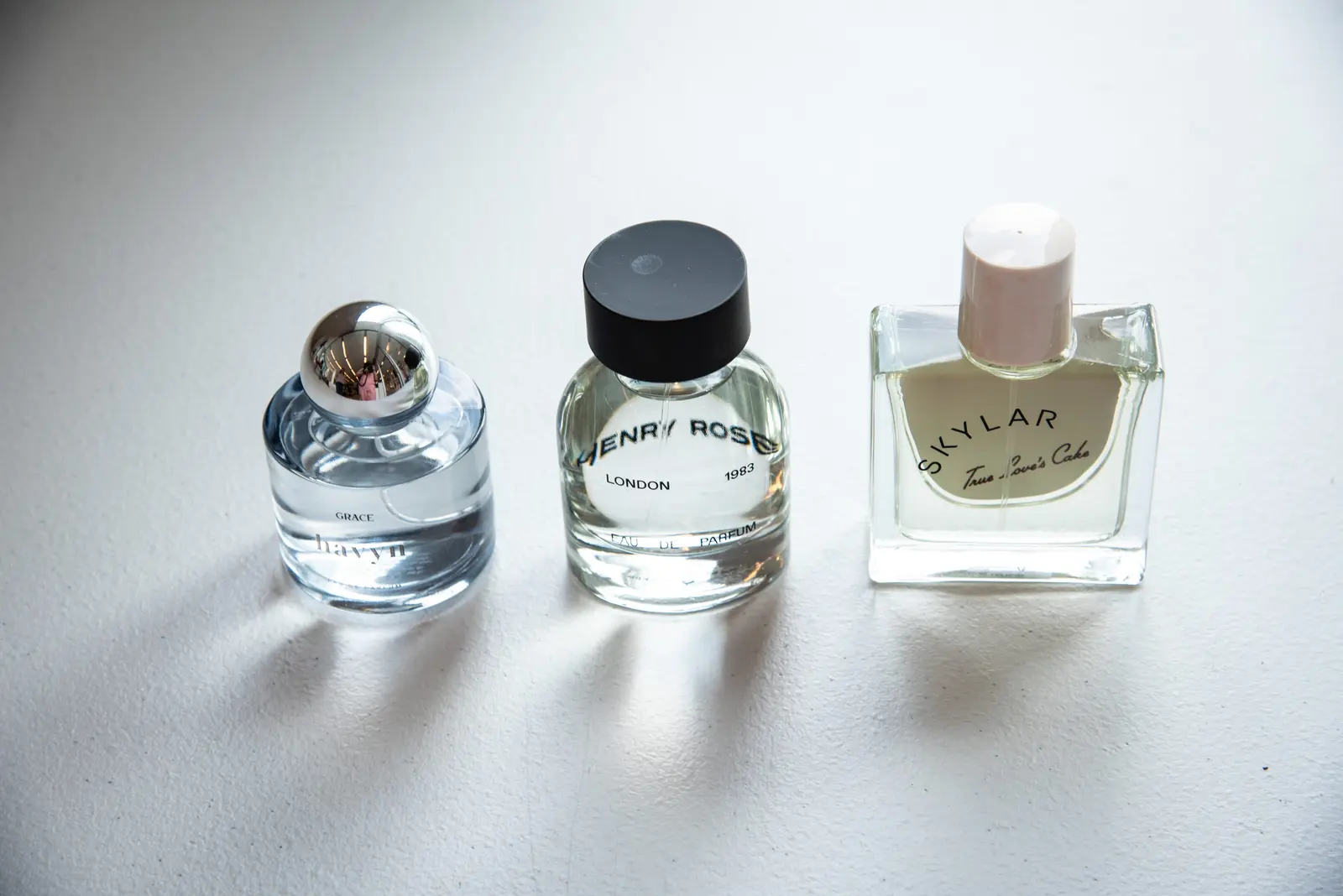
Hypoallergenic Perfume Labels Face New Scrutiny Under EU Rules
How New Standards Change Labeling Practices
Consumers with sensitive skin often rely on hypoallergenic perfume labels to avoid irritation. However, the term lacks strict regulation in the United States, leading to confusion. New European Union regulations are set to alter this landscape significantly. These changes will require clearer disclosure of ingredients on cosmetic products. The update aims to help shoppers make informed choices about fragrances. This shift represents a major step toward transparency in the beauty industry. It addresses long-standing complaints regarding hidden allergens in popular scents.
Breaking News
 Hollywood Elite Honor Carpenter, Theron, and Domingo at Academy Museum Gala
 The Next Generation of Collagen: Small Peptides, Big Claims
 The Impending Rise of Cobalt Blue in 2027 Fashion
 The Secret to a Flawless Autumn Complexion is Sunscreen Layering
The current regulatory gap allows brands to use the word hypoallergenicfreely in many markets. In the U. S., there is no single legal definition for the term. Companies can market products as gentle without proving they trigger fewer reactions. This ambiguity creates a challenge for individuals managing eczema or contact dermatitis. The new EU framework seeks to close this loophole by mandating specific testing standards. Manufacturers must now demonstrate that their formulas minimize the risk of allergic responses. This move aligns with broader efforts to standardize cosmetic safety across Europe.
The upcoming rules force brands to be more precise in their marketing claims. If a perfume is labeled hypoallergenic, it must meet defined criteria. This includes rigorous patch testing and ingredient analysis. Consumers will see more detailed information directly on product packaging. The goal is to reduce guesswork for those with reactive skin. Brands that fail to meet the new benchmarks may need to adjust their formulations. Some might remove common irritants like synthetic musks or certain alcohols. Others could simply drop the hypoallergenic claim to avoid compliance costs. This transition period will likely result in a wave of reformulations across the industry.
Why Does This Matter for Sensitive Skin Users?
For people with fragile skin, the stakes are high. A single wrong fragrance can cause days of itching and redness. Clear labeling provides peace of mind and reduces trial-and-error shopping. The EU’s approach sets a potential global precedent for other regions. It signals that regulators are taking consumer health concerns seriously. While the U. S. remains unregulated, pressure may build for similar domestic standards. Advocacy groups have long called for a unified definition of safe cosmetics. This new directive gives them a strong argument for change.
The immediate impact will be felt by both manufacturers and buyers. Companies must invest in updated testing protocols and supply chain adjustments. Shoppers should expect slightly higher prices due to increased compliance costs. However, the trade-off is greater confidence in product safety. As these rules take effect, the perfume market will become more transparent. Sensitive skin users can finally trust that a label means something concrete. This evolution marks a turning point in how fragrances are developed and sold globally.
Frequently Asked Questions
Is hypoallergenic perfume completely free of allergens? No, the term indicates a lower likelihood of causing an allergic reaction. It does not guarantee that every individual will tolerate the scent without any issues.
Will the new EU rules apply to all cosmetics? Yes, the regulations cover a wide range of personal care products. This includes perfumes, lotions, and creams sold within the European Union.
Do U. S. consumers benefit from these new rules? Not directly, as the U. S. has its own separate regulatory system. However, international brands may adopt EU standards globally to simplify their production processes.