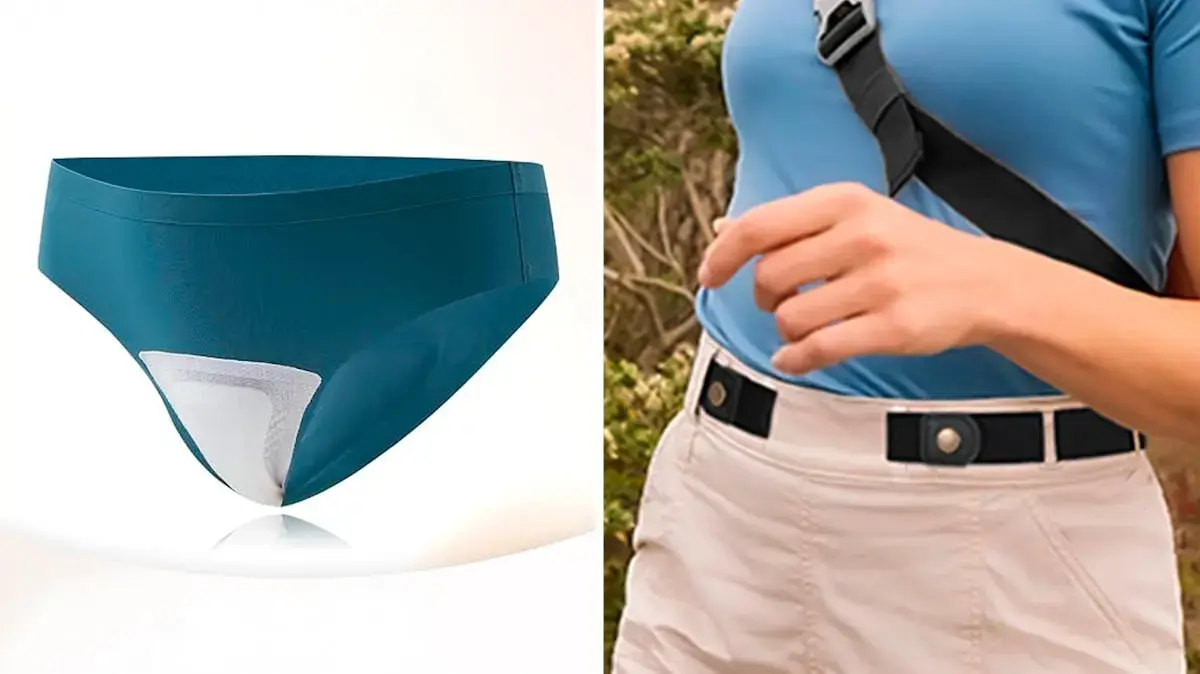
Strange Yet Handy: The Rise of Clever Clothing and Accessories
Hidden Helpers: Design Tricks That Turn Oddities Into Everyday Essentials
A growing niche of oddly shaped garments and accessories is hitting online retailers, promising to solve everyday annoyances with hidden engineering. Designers, tech firms, and indie creators have rolled out items that look strange but claim to make dressing easier.
Breaking News
 Kim Kardashian Stuns in Dramatic Cutout Dress for Early Birthday
 The Evolution of Angel Hair and Makeup at Victoria’s Secret
 Nike’s Fanciest Forces Refuse to Clock Out
 Hollywood Elite Honor Carpenter, Theron, and Domingo at Academy Museum Gala
The trend stems from a consumer push for functional fashion that blends style with practicality. Items such as self‑tightening belts, magnetic shoe fasteners, and necklaces that double as bottle openers embed tools directly into clothing. By hiding mechanisms in seams or jewelry, manufacturers aim to reduce the time spent adjusting outfits and to eliminate the need for extra gadgets.
One popular example is a shirt with built‑in elastic panels that expand when the wearer pulls the fabric, eliminating the need for a traditional button. Another innovation features a pair of jeans with a concealed zip that transforms the pocket into a secure travel pouch, perfect for commuters who hate bulky bags. These designs often incorporate magnetic closures that snap shut with a single motion, allowing users to slip on shoes without bending over.
Will These Quirky Pieces Replace Traditional Wardrobe Staples?
„People love the surprise factor,” says Maya Patel, a product manager at a startup specializing in smart apparel. „When a customer discovers a hidden bottle opener on a bracelet or a pocket that folds into a wallet, the novelty turns into daily utility. Sales data shows repeat purchases rise by 18 % after the first surprise.” The hidden features also appeal to travelers, who appreciate the ability to carry fewer items while keeping essential tools within reach.
Critics argue that novelty may wear off, leaving consumers with gimmicky items that lack durability. However, recent market analysis indicates a steady increase in demand for multifunctional garments, with the functional‑fashion segment growing 12 % year over year. Retailers report that items combining fashion and function often achieve higher margins because shoppers are willing to pay a premium for convenience. As designers refine materials and improve durability, the line between novelty and necessity continues to blur, suggesting that these clever accessories could become mainstream rather than niche.
The shift toward hidden utility signals a broader change in how people view clothing—not just as decoration but as a tool for everyday problem solving. If manufacturers keep prioritizing durability and style, the market could see a surge in hybrid products that replace multiple single‑purpose items. This evolution may also encourage sustainable consumption, as consumers buy fewer separate gadgets and rely on integrated solutions instead.
Frequently Asked Questions
What types of hidden features are most popular right now? Self‑adjusting fasteners, magnetic closures, and integrated tools like bottle openers or mini‑flashlights top the list, appealing to commuters and travelers alike.
Are these clever garments durable enough for daily wear? Early models faced durability issues, but recent iterations use reinforced stitching and high‑grade alloys, offering performance comparable to standard apparel.
Will the novelty wear off, reducing demand? While novelty drives initial interest, ongoing improvements in functionality and style are expected to sustain consumer demand over the long term.