The Fashion Week It-Bag You Can’t Buy
Why Are Unbuyable Items Dominating Street Style?
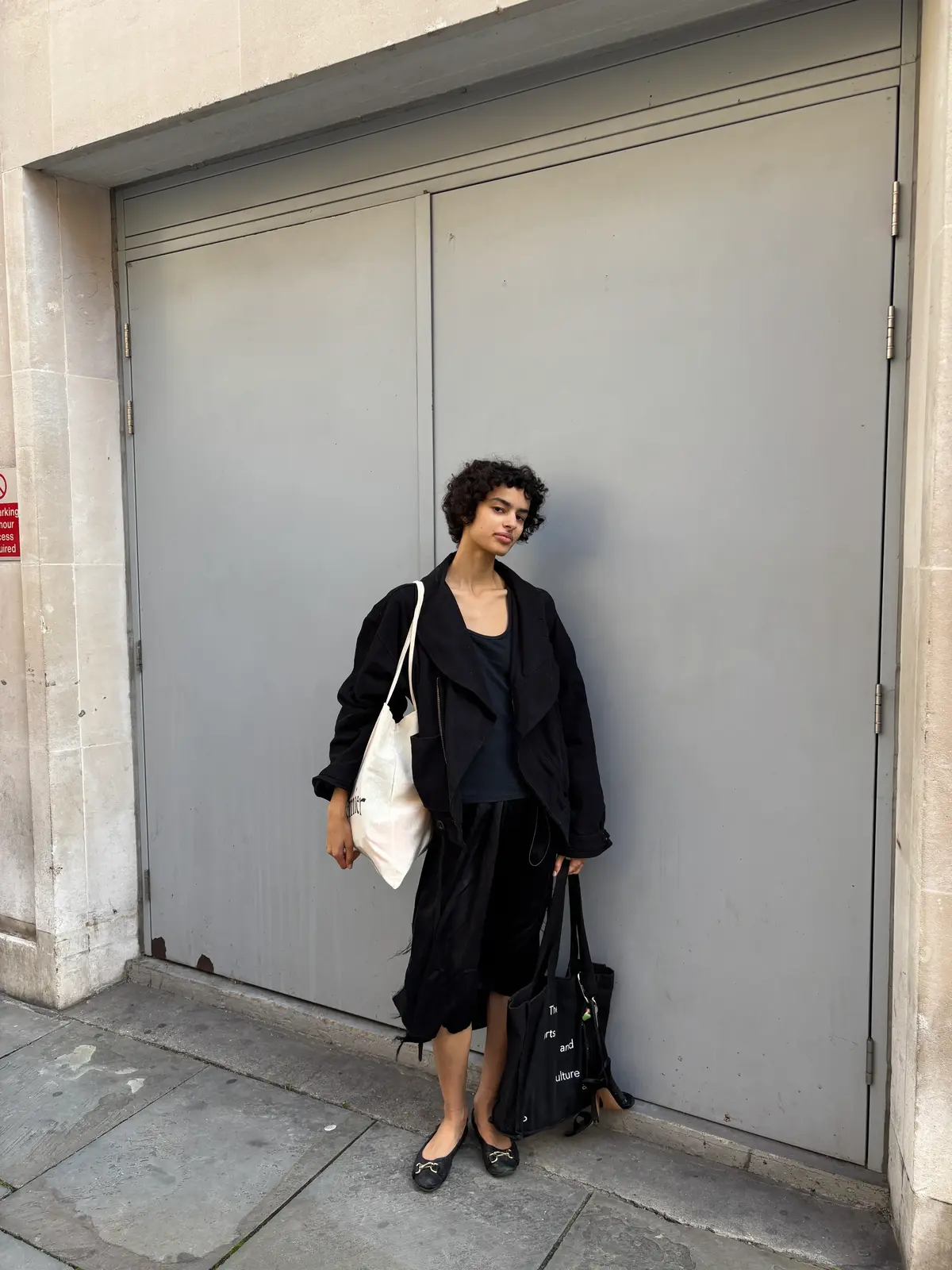
At Paris Fashion Week in October 2026, street style photographers and editors were fixated on a single accessory: a sculptural leather tote carried by influencers and editors alike, yet nowhere available for purchase. The bag, spotted across multiple shows from the Tuileries Gardens to backstage at Palais de Tokyo, became the season’s most talked-about item despite its absence from retail floors. Its presence signaled a shift in how exclusivity is performed—not through ownership, but through inaccessibility.
Breaking News
 Hollywood Elite Honor Carpenter, Theron, and Domingo at Academy Museum Gala
 The Next Generation of Collagen: Small Peptides, Big Claims
 The Impending Rise of Cobalt Blue in 2027 Fashion
 The Secret to a Flawless Autumn Complexion is Sunscreen Layering
The bag, designed by an emerging artisan known only as Alec Enwonw, was produced in a run of fewer than twenty pieces, each gifted selectively to stylists, editors, and a handful of celebrities. No press release accompanied its appearance. No e-commerce link followed. Instead, its power grew through repetition in candid shots and social media reposts, turning scarcity into a form of cultural capital. Fashion insiders noted that the bag’s value lay not in its material craftsmanship alone, but in its role as a silent signal—carrying it meant you were in the know.
What Does This Mean for the Future of Fashion Accessories?
The phenomenon reflects a broader trend where fashion’s most desirable objects are intentionally withheld from mass consumption. Unlike traditional it-bags that drive sales through waitlists and limited drops, this tote exists outside the commercial cycle entirely. Stylists interviewed off-record described it as „anti-logos”—a rejection of visible branding in favor of coded recognition. One editor said, „If you have to ask where it’s from, you’re not supposed to have it.” This dynamic reverses the usual fashion logic: instead of aspiring to buy, people aspire to be seen carrying something no one else can obtain.
The rise of the unbuyable it-bag suggests a growing divide between fashion’s visual language and its marketplace. As digital platforms amplify visibility without enabling access, desirability becomes detached from purchasing power. Brands may increasingly use such pieces not to generate revenue, but to shape perception and signal alignment with niche cultural currents. For consumers, the challenge lies in navigating a landscape where influence is measured not by what you own, but by what you cannot have—and whether you’re seen trying.
How many of these bags were made? Fewer than twenty were produced, all distributed privately by the designer to select individuals in the fashion industry.
Frequently Asked Questions
Is the designer planning to release a version for sale? There has been no indication of a public release; the bag’s significance stems from its intentional absence from the market.
Why did it become so influential despite not being for sale? Its repeated appearance in street style imagery created a perception of exclusivity and insider status, turning inaccessibility into a form of social validation.